
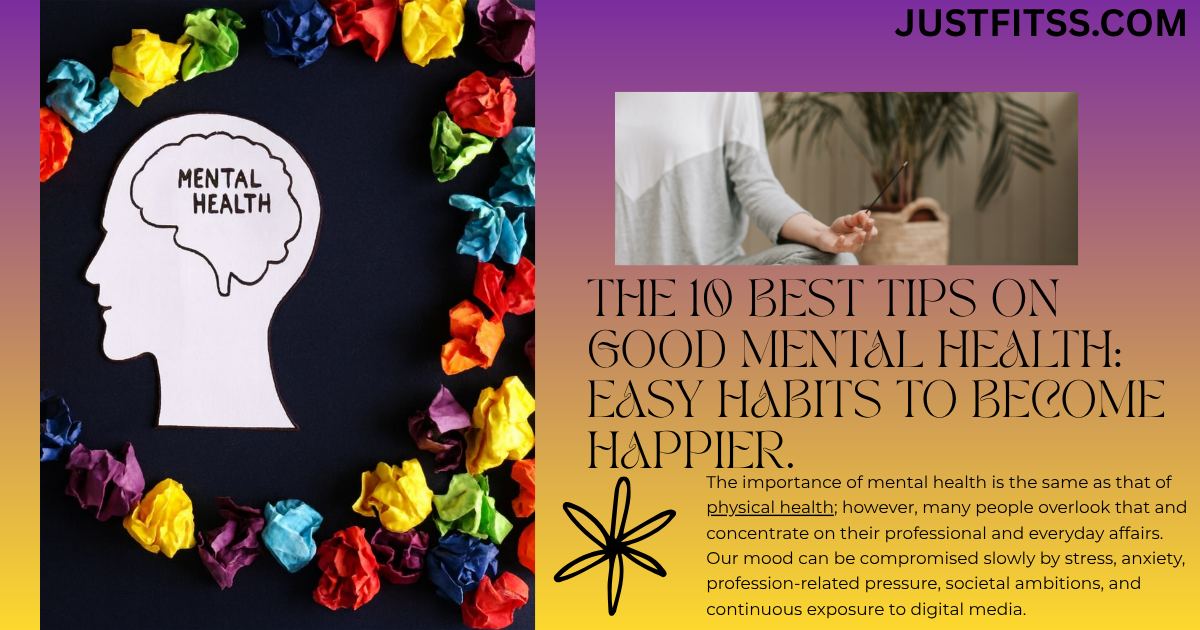
The importance of mental health is the same as that of physical health; however, many people overlook that and concentrate on their professional and everyday affairs. Our mood can be compromised slowly by stress, anxiety, profession-related pressure, societal ambitions, and continuous exposure to digital media. The positive news is that one does not always have to make big changes to be in a good mental state. To the little bits of consistency, a great deal can happen.
We are going to discuss in this blog different tips for good mental health, which are practical and easy to follow and appropriate to all people, irrespective of age. These tips are concerned with balance, self-care, and delivering emotional power – leading you to live a healthier and more tranquil existence.
1. Managing Your Physical Ailments.
The mind and body are very much connected. In women, it applies when they feel good physically; their thoughts go the same way. Good nutrition, water, and sleep are all things that can help you feel better and make you feel more energetic.
Lack of sleep and poor diet can also cause mental distress and nervousness. Trying to keep a regular schedule of sleep and eat some fruit, veg, protein, and whole grains. Minor adjustments in a person’s daily life can also improve mental health.
2. Stay Physically Active
Exercise is an incredible medicine for mental health. Exercise also leads to the release of endorphins, those feel-good hormones that help in managing stress and boosting happiness.
You don’t even have to jog in a gym. Walk, stretch, do yoga, or dance around your living room – some of the easiest things you can do to calm your mind and anxiety. Get 20 to 30 minutes of activity on most days.
3. Express Your Feelings
One can lose their mental health when holding their emotions inside. Expressing your emotions has been linked with relief from emotional burden and feeling as though you are being heard and supported. Show it to a trusted friend, family member, or counsellor. If you find it hard to talk, you can also process by writing in a journal. Being authentic isn’t a fault – it’s being well.
4. Make mindfulness and relaxation a routine.
Mindfulness allows you to be in the moment rather than getting lost in thoughts about what you did in the past or what you are going to do in the future. Basic rituals soothe your brain and mood when you’re stressed — like breathing deeply, meditating, or just sitting quietly.
5-10 minutes of engagement per day is all it takes. 5-10 engagement minutes are all it takes to see the difference. Regularly rest your attention on breathing, and eventually you’ll be able to do so whenever your mind wanders. Open and purposeful awareness is what brings enduring emotional balance and focus.
5. Restrict social networks and screen time.
Although technology bonds us, screen technology can be detrimental when recorded in large amounts. Social media’s constant comparison results in a lack of self-esteem, anxiety, and stress.
Establish proper limestone digital use. Some screen time here, particularly before bedtime. Substitute the time spent scrolling with reading, walking, or spending time with your loved ones. It is important to secure the psychological field.
6. Set Realistic Goals
This is because setting goals provides direction in life, yet unrealistic expectations may lead to frustration and stress. Large objectives should be divided into small, achievable tasks and should be directed at improvement instead of perfection.
Reward minor successes and treat yourself well in case things do not turn out. Keep in mind it is a long process, and any little step is significant.
7. Keep Ode’s healthy relationships.
Good mental health is closely related to good social connections. Positive people make one feel less lonely and adopt stronger emotional strength.
Effort to bond with the family, friends, or community groups. Meanwhile, escape unproductive or abusive relationships. Boundaries are key, including healthy ones.
8. Time Out to do What You Enjoy.
Life cannot be made up entirely of roles. When you do things that you enjoy, it adds joy, relaxation, and creativity to your life.
It could be reading, cooking, gardening, painting, and listening to music. Find some time to have hobbies. Such celebrations would ease the tension and restore your mind.
9. Learn to Say No
It is possible to say yes to everything and become burnt out and emotionally exhausted. Also, a significant component of self-care is knowing how to say no.
It is not bad to feel bad about doing what is best for you. Take care of your real self, which is your mental health, and you’ll have a chance to help others be better.
10. Consult professional assistance where necessary.
Self-care is sometimes insufficient, and that is fine. Should you be overwhelmed or nervous or even just unceasingly depressed, consulting a mental health expert is a powerful and good measure.
The therapists, counsellors, and psychologists have been trained to help you realise and learn to control your emotions. His requesting assistance is not weak but is courageous.
Final Thoughts
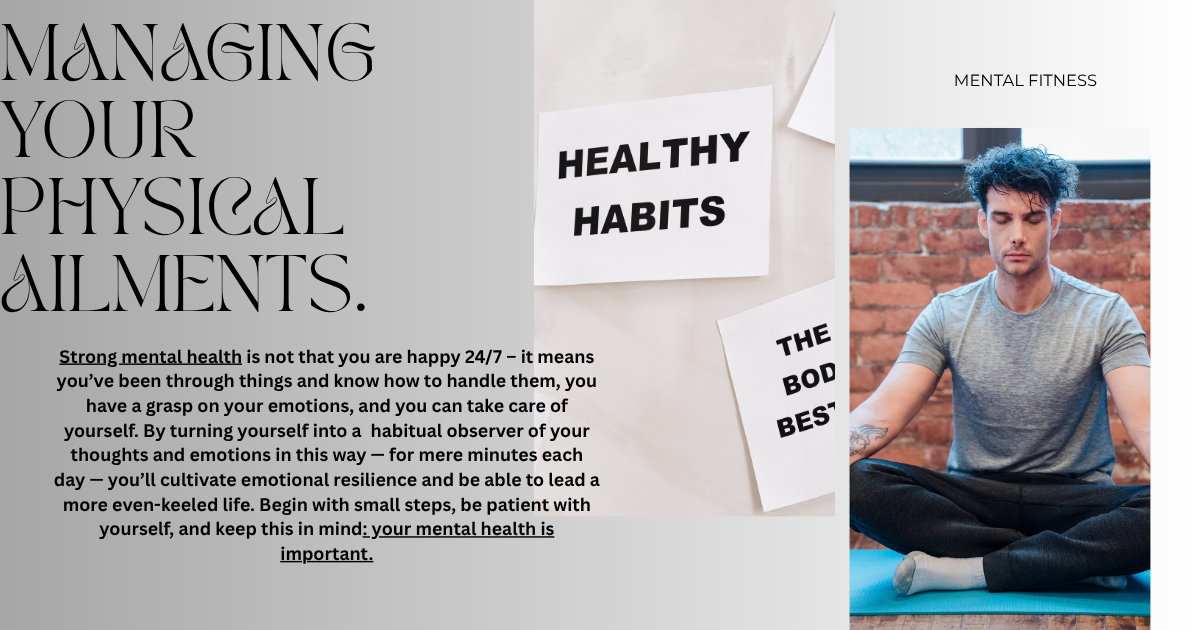
Strong mental health is not that you are happy 24/7 – it means you’ve been through things and know how to handle them, you have a grasp on your emotions, and you can take care of yourself. By turning yourself into a habitual observer of your thoughts and emotions in this way — for mere minutes each day — you’ll cultivate emotional resilience and be able to lead a more even-keeled life. Begin with small steps, be patient with yourself, and keep this in mind: your mental health is important.
(FAQs).
1. Is mental health as important as physical health?
Yes, mental health is just as important. Bad mental health can influence your physical health and affect how you function each day.
2. How often should I do mindfulness?
Even 5‒10 minutes a day can be good. Regularity is more important than length.
2 Comments
visit article
Just desire to say your article is as amazing.
The clarity in your post is just spectacular
and i could assume you are an expert on this subject. Well
with your permission allow me to grab your feed to keep updated
with forthcoming post. Thanks a million and please continue the
rewarding work.