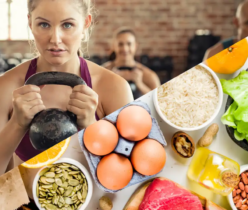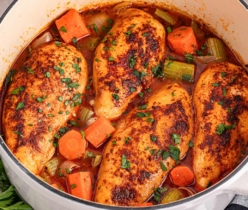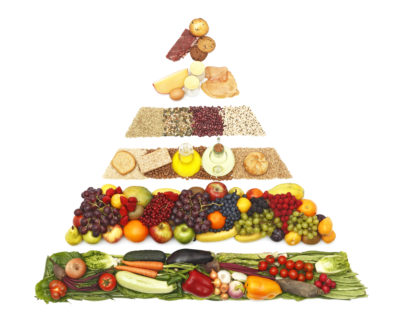
An alcohol-free diet is a lifestyle habit that is concerned with avoiding alcoholic drinks in daily meals as a way of enhancing physical, mental, and emotional health. Rapid and effective short-term and long-term results may be achieved by quitting alcohol, whether for health or fitness, recovery, or personal values. Since the problem of alcohol and its health dangers has been brought to the attention of the public by various bodies, including the World Health Organization, more and more people are now turning to sobriety as an act of self-preservation.
This article explains what an alcohol-free diet is, its benefits, the foods to eat and drinks to avoid, and how to maintain it.
What Is an Alcohol-Free Diet?
What is an alcohol-free diet? Does this mean that I can have wine with dinner on the detox? Instead, it touts hydration, nutrient-dense food, and mindful beverage consumption as the path to natural energy and metabolism.
Unlike transitory detoxing methods, an alcohol-free diet is a continuous unwinding with a focus on liver/gut health and mind clarity.
The most important Health Advantages of an Alcohol-Free Diet.
Better Liver & Digestive well-being.
Alcohol exerts a direct strain on the liver. In its absence, liver performance is enhanced, there is less inflammation, and digestion is made more efficient.
Better Mental Clarity & Mood
The benefits of quitting alcohol are reduced anxiety, enhanced concentration, and improved sleep quality in many individuals within weeks of quitting. There are no artificial mood swings that are stabilized through brain chemistry.
Weight Management
Alcohol contains a lot of calories and retards fat burning. Its removal also helps boost the metabolism and reduce belly fat over time.
Stronger Immune System
The alcohol diminishes immunity. The body can deal with infections better through an alcohol-free diet.
Balanced Blood Sugar Levels
Alcohol leads to low sugar levels and high sugar levels. The fact of remaining alcohol-free promotes stable energy levels and a low risk of diabetes.
Skin is healthier and more radiant
In 30 to 60 days, moisture levels increase, and inflammation decreases, and most people see clear, brighter skin.
Food on an Alcohol-Free Regime
An alcohol-free diet is not restrictive; it is nutrient-based.
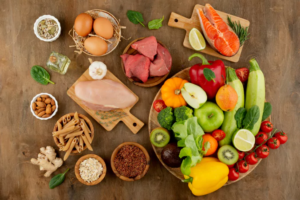
Focus on:
Whole Foods
- Fresh fruits (citrus, apples, and berries)
- Fruits (leafy greens, carrots, broccoli)
- Fiber (fruits and vegetables, and whole grains)
- Low-fat or fat-free dairy products, such as milk, yogurt, and cheese, include skim milk, skim milk powder, sour cream, whipped cream, ricotta cheese, yogurt milk, and soy milk.)
- Fiberglass, wheat, wheat grain, fruit, green, vegetable, green bean, broccoli, cabbage, cauliflower, and green)
Liver-Supporting Foods
- Beets
- Garlic
- Turmeric
- Green tea
- Brassica (cauliflower, cabbage) vegetables.
Hydrating Foods
- Watermelon
- Cucumber
- Oranges
- Coconut water
What to Drink Instead of Alcohol
Water infused with lemon, mint, and cucumber
- Herbal teas
- Green tea
- Fresh vegetable juices
- Kombucha (low or zero alcohol)
- Sparkling water with fruit
These substitutions will help quench thirst and help keep us and our digestion hydrated.
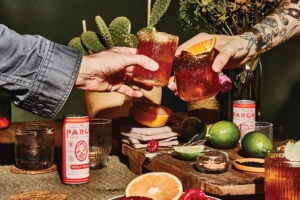
Challenges of an Alcohol-Free Diet (and how to get around them).
Social Pressure
Resolution: Select alcohol-free mocktails and specify what you want.
Cravings
Reply: Drink plenty of water and eat a balanced diet to maintain blood sugar.
Emotional Triggers
Solution: Replace drinking with walking, journaling, meditation, or exercise.
Sleep Adjustments
Solution: You might experience light sleep at the beginning, but deeper sleep will be restored in two weeks.
Alcohol-Free Diet for various Objectives.
For Weight Loss
Alcohol reduction lowers calories of empty fat, balances hormones, and burns fat.
For Mental Health
Alcohol-free living leads to emotional balance and takes out worries and depression.
For Fitness Performance
For fitness, healing is faster, stamina is enhanced, and muscle recovery is realized.
In the case of Long-Term Disease Prevention
It lowers the risk of liver disease, heart disease, digestive system disorders, and certain cancers.
Tips for consistency in an alcohol-free diet.
- Have a personal purpose of being alcohol-free.
- You need to have healthy beverages around at all times.
- Prehistoric social situations need planning.
- Track progress for the week (sleep, energy, mood)
- Mark non-scale achievements such as an improved complexion and concentration.
- Don’t aim for perfect; aim for consistent.
Who has to consider an alcohol-free diet in particular?
- Individuals with weight/metabolic controls.
- The people who suffer from stress, sleepless nights, and tiredness.
- People with liver, digestive, or heart conditions.
- Athletes and active people like to exercise.
Final Thoughts
One of the most effective lifestyle changes that has both short-term and long-term outcomes is an alcohol-free diet. It enhances digestion, mental condition, immunity, sleep, skin, and general well-being. More to the point, it promotes conscious life and proper nourishment, not based on addiction and artificial stimulation.
Regardless of whether you do it in 30 days or for life, every alcohol-free day helps you to be healthier, think better, and have more energy.
FAQs
1. What is the time of seeing benefits after quitting alcohol?
It can be seen that many noticeable improvements in the form of improved sleep and hydration happen wwithin3-7 days, whereas weight loss and improved digestion can be observed in 2-4 weeks.
2. Would it be possible for me to interact with people without drinking alcohol?
Sure enough. Non-alcoholic beverages, herbal teas, liquors, and mocktails are allowed to be enjoyed without the risk of health hazards.
3. Does stopping alcohol consumption alleviate anxiety?
Yes. Over time, alcohol can worsen anxiety. Getting rid of it will probably mean getting on an even keel emotionally and experiencing fewer mood swings.