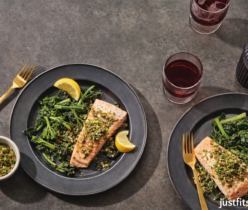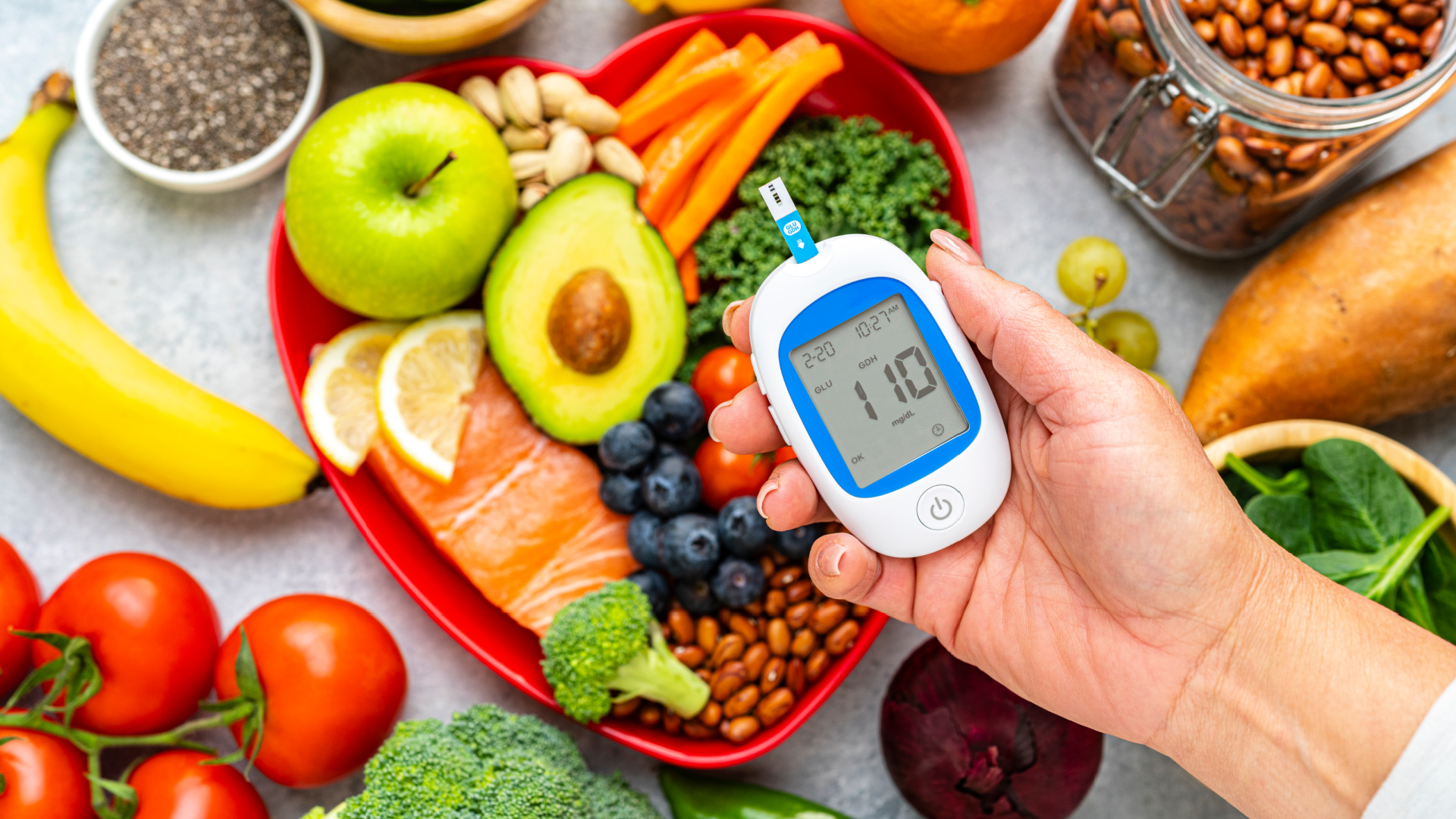
The management of diabetes has undergone a significant transformation in recent years, and nutrition has emerged as the most effective tool for blood sugar management. By 2025, tailoring balanced diets rather than focusing on restriction will be the norm for healthcare professionals. A diabetes-friendly eating plan is a plan that helps keep your blood sugar under control, makes your body more sensitive to insulin, is good for your heart, and you can stick with it over time.
In this article, you’ll get a complete guide on what you should eat, how you should eat, and why you should be eating certain foods for blood sugar control.
What is nutrition’s impact on diabetes?
Too little insulin production or the inability to use insulin effectively to regulate plasma glucose levels are the two factors that lead to the development of diabetes. Food selection immediately after contributes to the level of glucose in the blood after meals, so that diet control is the main pillar of diabetes management.
A regular eating routine enables you to:
- Reduce blood sugar variations
- Enhance your metabolism
- Help you avoid complications like nerve damage and heart disease down the line.
- A healthy body weight.
Nutrition therapy is the first-line treatment for pre- and type 2 diabetes.
Core assumptions of a diabetes-friendly diet
1. Quality and amount of carbohydrate: Consistency
Carbohydrates have the biggest effect on your blood sugar levels. “It’s not that you have to get rid of carbohydrates, you have to just get good quality carbohydrates that are low glycemic index, and you eat them consistently.”
Good sources of carbohydrates are:
- Whole grains, such as brown rice, oatmeal, and quinoa
- Legumes, such as lentils, chickpeas, and beans
- Non-starchy vegetables
Limit refined carbohydrates, including white bread and sugary cereals — they can make your blood sugar spike.
2. Balanced Macronutrient Intake
Try focusing on balancing the following ingredients for each meal:
- Carbohydrates for energy
- Protein slows digestion and increases satiety
- Healthy fats to enhance insulin sensitivity
This percentage will help maintain your energy and avoid repeating quick surges of glucose.
3. Protein Intake Enough In order
Regulation of blood sugar requires protein, which slows carbohydrate absorption and also plays a role in maintaining lean muscle mass.
As a guide, protein sources are:
- Fish and shellfish (salmon, tuna, sardines)
- Poultry without skin
- Eggs (alone or in recipes)
- Plant-based sources of protein, such as tofu, lentils, and beans
Protein should be in every snack and meal.
4. Good Fats for Your Metabolism
Protein is necessary to regulate your blood sugar so you don’t absorb carbs as fast, and you also keep your lean muscle mass. Here are some good protein options:
- Fish and seafood (salmon, tuna, sardines)
- Lean poultry
- Eggs
- Plant proteins like eggs, lentils, and beans can be used in place of tofu.
Protein should be eaten at each meal and snack.
5. High Dietary Fiber Intake
Fiber interferes with glucose absorption, facilitates gut health, and may improve insulin sensitivity. An intake of 25 to 35 g is recommended for adults. High in fiber foods are:
- vegetables
- whole grains
- legumes
- chia and flax seeds
Recommended Foods for Blood Sugar Control
Vegetables
Gone on your plate, non-starchy veg should take up at least half:
- Spinach
- Broccoli
- Cauliflower
- Bell peppers
- Zucchini
These are low-carb and antioxidant-rich foods.
Fruits
Fruits may be eaten in moderation, but with a preference for low-glycemic fruits:
- Berries
- Apples
- pears
Eat fruit with protein or healthy fat to blunt glucose spikes.
Whole Grains
Choose whole grains over refined grains and be mindful of your serving sizes:
- Brown rice
- Quinoa
- Barley
- Oats
A standard portion is ½ cup cooked with every meal.
Protein Sources
- Oily fish (mackerel, salmon, sardines)
- Skinless poultry: chicken or turkey
- Eggs
- Other Pulses
- Low-fat dairy
- Foods to Limit or Avoid
These are foods that may disrupt good glycemic control and that you should avoid:
- Sugar-sweetened beverages
- Baked goods, white bread, pasta
- Fried foods
- Ultra-processed snack foods
- Processed Carnes
They tend to be insulin-resistant, and they are inflamed.
Sample Diabetes-Friendly Daily Meal Plan
Breakfast
- Scrambled eggs with wilted spinach
- Whole-grain toast, 1 slice
- Black coffee or unsweetened tea
Mid-Morning Snack
- Greek yogurt with chia seeds
Lunch
- Chicken salad (grilled chicken with mixed salad veg)
- Dressing of Lemon Juice and Oil of Olive Oil.
- Quinoa (½ cup cooked)
Afternoon Snack
Dinner
- Salmon baked
- Broccoli steamed
- Brown rice (½ cup cooked)
Optional Evening Snack
- Apple slices and natural peanut butter
Meal Timing and Blood Sugar Stability
Regular meal timing is also important for glycemia control. Consumption at 3–4-h intervals reduces large blood glucose swings and is less likely to promote overconsumption.
A few timing strategies to consider: …
- Plant proteins like eggs, lentils, and beans can be used in place of tofu.
- Protein should be eaten at each meal and snack.
High Dietary Fiber Intake
Fiber interferes with glucose absorption, facilitates gut health, and may improve insulin sensitivity. An intake of 25 to 35 g is recommended for adults. High in fiber foods are:
- Light physical activity after meals
- Quality sleep (7-8 hours)
- Stress management, e.g., via mindfulness, breathing
Conclusion
A well-balanced diabetes-highly drug-compatible diet itself is one of the best treatments and is much stronger than the drug treatments and insulin in the long run for sustaining a good blood sugar level. Such a diet does not increase the risk for bone complications; it can improve energy levels and otherwise positively impact one’s quality of life. When nutrition is combined with regular exercise, adequate fluid intake, enough sleep, and stress reduction, it becomes a valuable resource for diabetes prevention and care.
In the end, good blood sugar control is not a quest for perfection but rather a finding for breathing in eating patterns that sustain long-term health and well-being.
FAQs
1. Do you have diabetes, and did you eat carbs?
Yes, carbohydrates need to be selected and portion-controlled, not eliminated.
2. Can I Use Diet to Prevent Complications of Diabetes?
Yes. The risk of complications is greatly reduced by having a properly managed diet.
3. How Many Meals a day is best?
What works for most people is three main meals a day with one or two planned snacks.