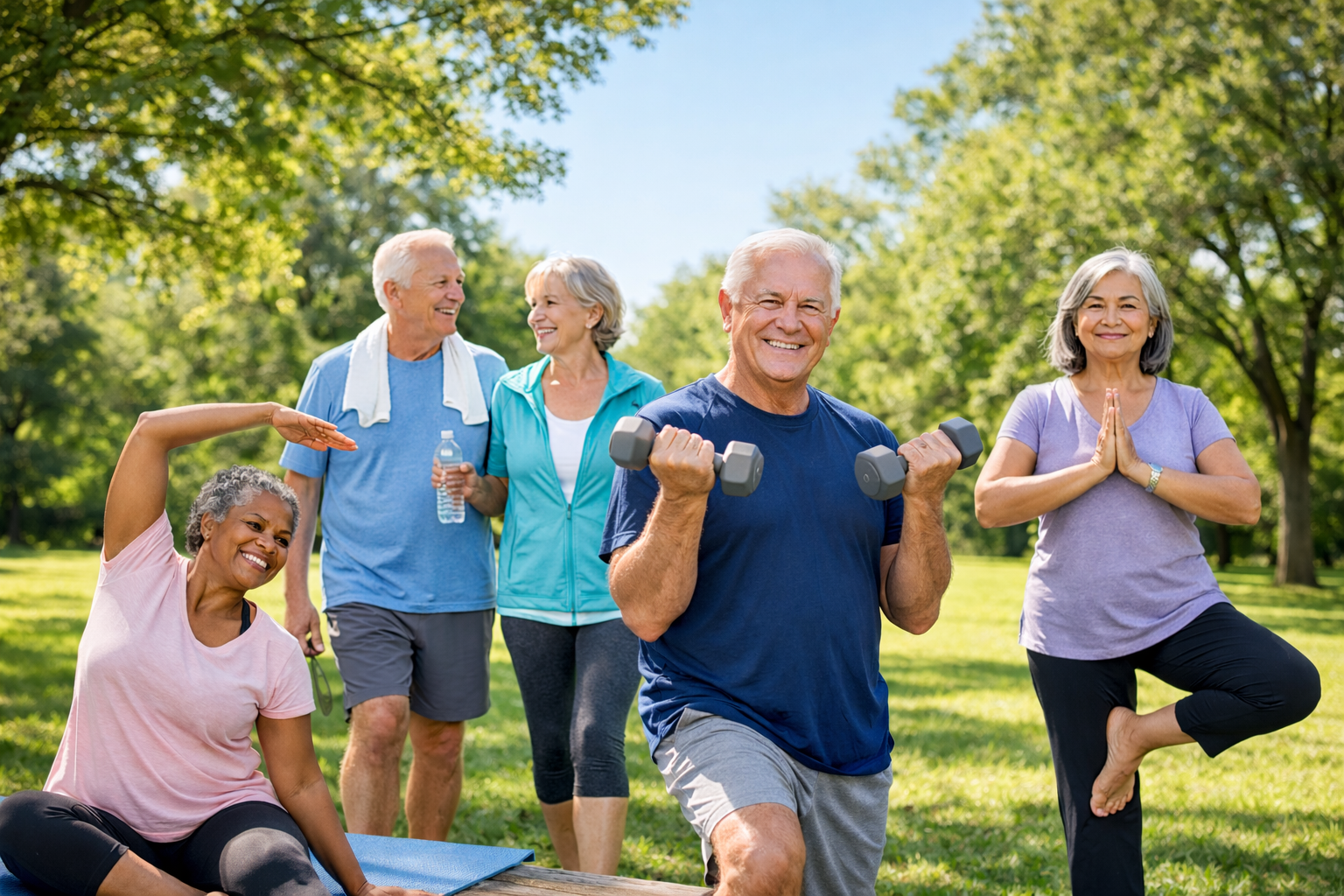
Old age is an ordinary phenomenon in life, but making it slow is not necessary. Fitness importance in the elderly Description of importance: To help elderly people remain independent, improve quality of life, and delay the onset of chronic diseases. Physical activity can make an older adult strong, flexible, and mentally alert so that they can participate in daily activities with confidence and enthusiasm. This all-purpose guide discusses the reasons for fitness in older adults, the most suitable type(s) of exercise, safety issues, and how to design a program that is enjoyable and promotes long-term well-being.
Why Fitness Is Important for Older Adults?
Older adults are prone to poor fitness due to physical and social adaptations associated with aging. Changes in the body, together with shifts in social life that come with old age, mean that there is little motivation for elderly people to take up fitness. Normal aging is associated with body changes that affect muscle mass, slow metabolism, reduce bone density, and make the body less flexible. However, these changes can be significantly delayed and some even reversed by regular physical activity.
Exercising during old age will help in:
- For the heart.
- Strengthen muscle and bone.
- Enhance coordination and balance.
- Decrease falls and fall-related injuries.
- Help for healthy weight control.
- Lower the risk of developing chronic diseases, such as diabetes, arthritis, or heart disease.
- Improve mood, memory, and overall mood.
Put simply, it is not a matter of extending life, but of giving life the years.
Best Types of Exercises for Older Adults
Exercise improves physical and mental function through activation of the brain and body and by alleviating symptoms of depression and anxiety. The exercise regimen can activate the body and mind of elderly people, improve their physical and mental state, and help them overcome depression and anxiety.
Older adults need a balanced fitness program that includes strength, flexibility, balance, and aerobic exercise. They all have their uses and places in health.
1. Strength Training
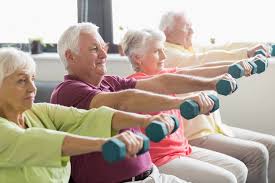
Strength training preserves body mass and the strength of bones that are reduced with age. The most effective exercises are based on body weight and/or resistance bands and light dumbbells.
Examples include:
- Chair squats
- Wall push-ups
- Leg lifts
- Resistance band exercises
The exercise is performed twice or three times a week, and between the workouts, rest is also necessary.
2. Cardiovascular Exercise
Cardiovascular exercises promote a healthy heart and lungs, and good stamina. They also help with blood pressure and cholesterol.
Appropriate alternatives among the elderly are:
- Walking
- Swimming
- Cycling on a stationary bike
- Impact-free aerobics
You’re supposed to aim for at least 150 minutes of moderate-intensity aerobic exercise over one to three days a week; more is better.
3. Stretching and Flexibility
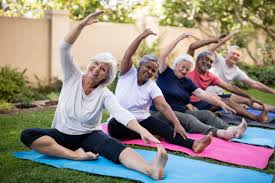
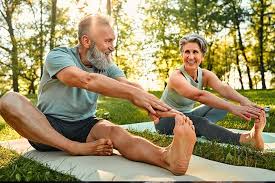
Flexibility exercises keep joints moving through their full range of motion and prevent stiffness from developing. Stretching is also good for injuries and for keeping your posture straight. Basic stretches for the neck, shoulders, hips, and legs can work wonders. “For the elderly, yoga and mild stretching exercises are a safe bet.”
4. Balance Exercises
Balance training is also important for fall prevention, which is a significant health risk for elderly individuals. A better balance makes people more confident and stable in their everyday lives.
Examples include:
- Standing on one foot
- Heel-to-toe walking
- Tai Chi
Balance exercises can help to avoid falls due to the physical practice of balance exercises for a few minutes daily.
Mental Health Benefits of Fitness in Older Adults
This paper presents an overview of the more established mental health benefits of physical activity in the elderly. Exercise is known to reduce symptoms of anxiety and depression and increase sleep quality and cognitive function. Exercise also stimulates the flow of blood to the brain, which aids in memory and concentration. Together with group classes or chatting on a walk with a friend, loneliness and building relationships should also be kept to a minimum, especially in your later years.
Safety Tips for Older Adults Starting Fitness
Safety is one of the top concerns that older adults should consider before beginning any type of new exercise program. These are the general guidelines that will help to establish a safe and long-lasting practice:
- Before starting any new exercise program, check with your doctor.
- Start very light, and then work up.
- Isometrics and cooling down.
- Dress comfortably and wear supportive shoes.
- Drink lots of fluids before, while, and after you exercise.
- Cease activity if you experience pain, dizziness, or are becoming too breathless.
- You need to listen to your body. Work out must not feel painful, but must be difficult.
Regularity is more significant than vigor as far as fitness among the older population is concerned. Every exercise program should be sustainable.
To stay consistent:
- Choose activities you enjoy
- Have realistic and attainable objectives.
- Exercise at a fixed time of the day.
- Alternate exercises to eliminate boredom.
- Monitor the progress to keep morale.
Even minimal daily activity, like gardening or strolling around the home, would help to make people healthier.
Fitness and Chronic Conditions in the Elderly Adults.
“Millions of old people have chronic diseases like arthritis, osteoporosis, or high blood pressure.” The good news is that these diseases could be managed through exercise.
They are light exercises for joint pain, strength training for bone health, and aerobic exercises for heart health. 1 A customized exercise program under the guidance of a physical therapist or other fitness professional may allow safe management of certain medical conditions.
Final Thoughts
Older adults’ fitness is not about excessive exercising or physical boundaries. It is concerning the physical activity of the body, its strength, and balance, as well as physical and psychological well-being. Activity levels can enable the elderly to maintain their independence, self-esteem, and keep them on their feet for pleasure for the rest of their life, given the right attitude.
At any age, you can start to stand up and take care of your health.
FAQs
Q.1 What type and how much physical activity is recommended?
It’s the exercise adults need enough of, even if the gains most apply to a certain age group. Older adults should talk with their doctor about getting 150 minutes per week of moderate-intensity or 75 minutes per week of vigorous-intensity aerobic physical activity. They also need to do activities to enhance their muscle strength and balance on two or three days per week.
Q.2 Is it safe for seniors to weight train?
Yes, it’s perfectly safe to do some light or moderate strength training, provided you have appropriate guidance and do it the right way.
Q.3 Can seniors improve balance with exercise?
Balance-based exercises (such as Tai Chi and single-leg stands) can decrease the risk of falling. Balance training (e.g., Tai Chi and single-leg stands) can reduce fall risk.
Q.4 Is it ever too late to start exercising in your sixties?
But you also gain health benefits at any age when you start exercising.