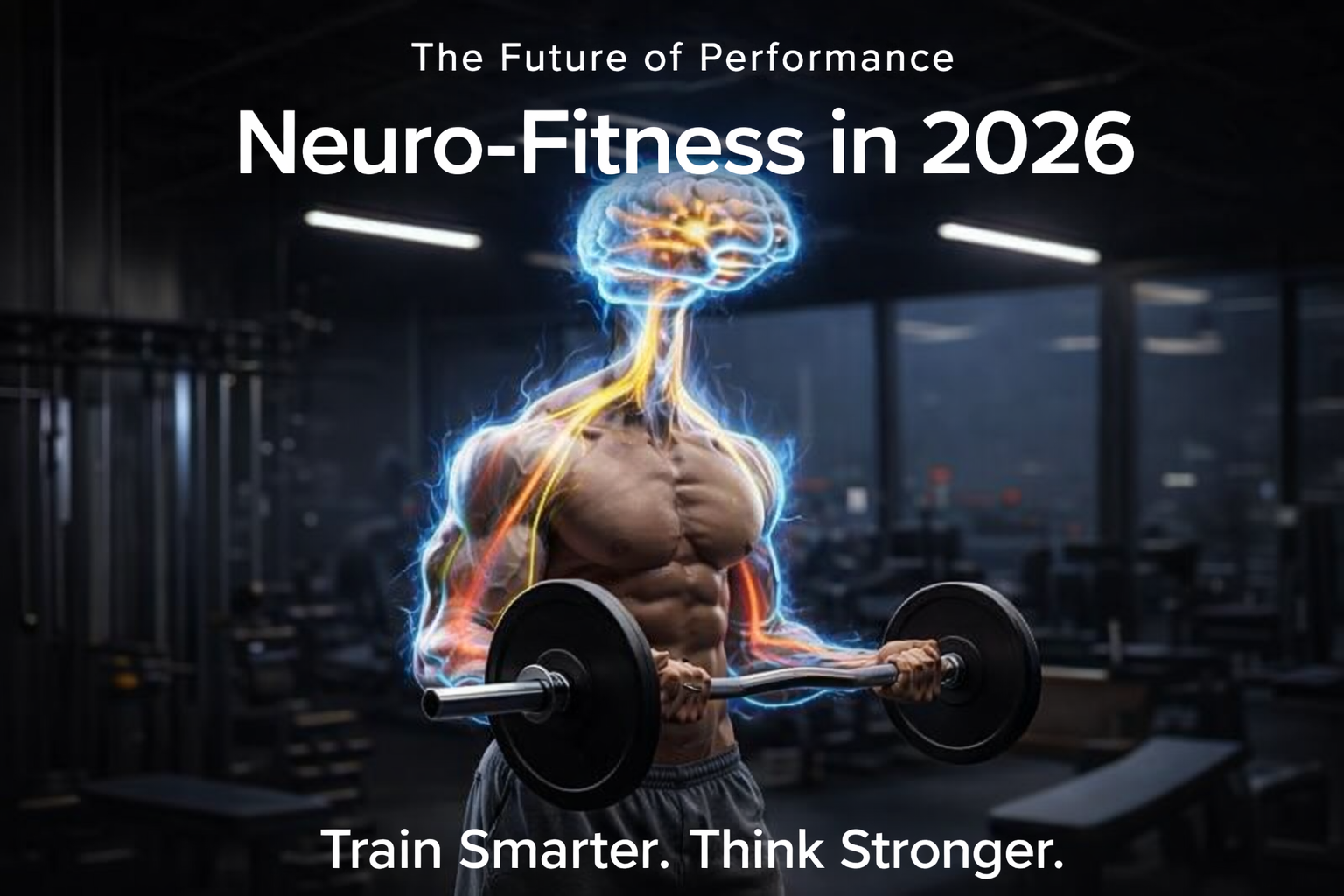
The term fitness has been equated for decades with six-pack abs, marathon pace, and bicep curls. However, in the complexity of 2026, which is the age of artificial intelligence, information overload, and a life expectancy never seen before. A new form of fitness has become the order of the day: Neuro-Fitness.
Furthermore, it is just like you would never go running a marathon without training your legs. You would never be able to navigate the cognitive conditions of the modern world without training your brain. Neuro-Fitness is not a nonconformist biohacking movement anymore; it has become a mainstream one, like cardiovascular health. It is a paradigm shift in focusing on the outcomes of mental decrease to actively designing cognitive within the parameters of resilience.
What is Neuro-Fitness?
Neuro-Fitness is a scientific process of increasing brain functioning by using exercises and technology, and lifestyle modifications. In contrast to the conventional mental stimulation (such as completing crossword puzzles), Neuro-Fitness is evidence-based, customized, and concentrated on concrete results such as neuroplasticity, being the capability of the brain to remodel itself and establish new neural relationships during the life cycle.
Neuro-Fitness (2026) has a very simple principle behind it, which is that what gets measured gets managed. It integrates the scientific discipline of sports preparation and neuroscience. Practitioners do not simply expect their brains to become sharper and sharper; they monitor such indicators as the gamma wave activity, variability of reaction time, and cognitive load capacity. To make sure that their brains are aging well and they perform at their best. In order to become truly fit at the level of cognition, a person needs to subject him/herself to a holistic training program.
The 2026 model has four pillars:
1. Cognitive Cross-Training
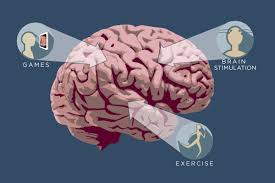
Cognitive athletes cross-train to create a healthy brain, just like the physical players cross-train as a means of injury prevention. This is alternating in various forms of mental loads:
- Attention Training: Digital training to overcome distraction. This may be common in the year 2026, which is associated with Virtual Reality (VR) spaces that exercise long-term attention in the presence of stimuli (noise) that resembles open-plan offices or social media feeds.
- Memory Architecture: Entering beyond mere memorizing to so-called memory palaces with the help of AR (Augmented Reality) glasses, which allow users to visualize and store large amounts of information with high efficiency.
- Executive Placement: Problem-solving, including rapid task-switching, impulse control, and tactical planning under time restraints, which is also gamified.
2. Neurofeedback and Brain-Computer Interfaces (BCIs).
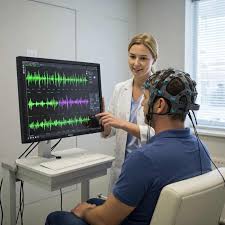
The biggest innovation in Neuro-Fitness in the past three years has been the use of non-invasive BCIs among consumers. Real-time feedback of electroencephalogram (EEG) is now accessible with wearable headbands and even earbuds.
Think about the dashboard on which you can see your state of brainwaves. When your brain is experiencing high levels of beta waves (stress) during focus timing, the system will produce a very minute audio signal, which helps your brain come back and go into a high-alpha compared to a low-gamma state. Gradually, such a conditioning becomes self-controlling in the brain. In 2026, there will be high-end fitness centers with neuro-porches or so-called Neuro-Pods, where members will train 20 minutes to neural efficiency as they do 20 minutes on the treadmill at a cardiac efficiency training facility.
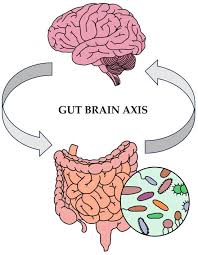
3. The Nutritional Biohacking of the Brain-Gut Axis.
Now we know that the brain does not work independently. The gut itself has been described as the second brain. And Neuro-Fitness has focused on a nutritional regimen that minimizes neuroinflammation.
- Individualized Nootropics: Gone are the days of generic caffeine. In 2026, clinicians are prescribing genetic and microbial-based nootropic stacks (usually based on the genetic markers—SNPs) and microbial analysis.
- Glucose Control: Continuous glucose monitors (CGMs) that were initially used by diabetics are a regular product among Neuro-Fitness enthusiasts. Because it is essential to stabilize the blood sugar and avoid the occurrence of the so-called brain fog, to leave the mind with continuous energetic focus.
4. Neuro-Physical Integration
Brain-specific physical movement is optimized. High-Intensity Interval Training (HIIT) works very well with the heart, but coordinated movement is necessary with the brain.
- Cerebellar Stimulation
The forms include bilateral practice, including complicated dance formats, juggling, or primary flows of neuro-yoga. These are of priority since they assist in activating the cerebellum, in which 80 percent of the brain neurons are found.
- Recovery & Sleep
Neuro-Fitness accepts that recovery is of benefit. A brain wash (the slow-wave, deep sleep) is the time during which the glymphatic system gets rid of beta-amyloid plaques (linked with Alzheimer’s). Wearables can now monitor the sleep architecture with medical-grade precision, notifying the user in case their deep sleep is lower than it should be.
The reason why Neuro-Fitness is exploding in the year 2026.
Several factors combined to drive Neuro-Fitness to the mainstream this year:
- The AI Burnout Epidemic: The cognitive load has instead been raised due to the excessive adoption of AI at work. Employees are working with human groups, as well as AI agents, which results in a different kind of cognitive burnout. Neuro-Fitness is viewed as the panacea to develop the cognitive resilience necessary not to crash after communicating with AI.
- Supervision: Supervision is not mandatory; it is a practice of medical professionals instead of a legal process. Longevity Science: As life expectancy rises, the fear of cognitive (dementia, Alzheimer’s) or physical (notably) decline dominates over many demographics. This is not a legal process. Individuals in their 40s and even 50s are investing in brain activity to make their lifespan equivalent to their health span.
- Quantified Self Movement: The prices of biometric sensors have reduced significantly. The best quality of EEG devices that used to cost 10000 dollars ten years ago can now be purchased at half the price of a programmable smartphone.
The Future of Cognitive Longevity.
In the future, Neuro-Fitness will no longer be aimed at reaching peak performance (as it could be beneficial to CEOs and athletes) but to achieve so-called cognitive longevity. The goal is not to be sharp enough to attend a board meeting tomorrow, but to be able to retain executive functioning and memory integrity into one’s 90s.
The 2026 is a period is experiencing the emergence of the Cognitive Age. There is no more reason to overlook the health of the brain. The 2020s are characterized by the Neuro-Fitness revolution, just like the 1980s provided us with the jogging movement and the 2010s with the CrossFit movement. It makes a very strong suggestion: moreover, through proper training, your mind can become sharper and tougher with age.
FAQS
Q.1 What are the equipment do I require to start?
Begin with the basics: sleeping well, aerobic activities, and teaching a new hobby. To train on a more advanced level. It is recommended to use consumer EEG headbands (such as Muse) and wearables that will also measure sleep and heart rate variability. Neuro-Circuit classes are also introduced in several gyms.
Q.2 How long until I see results?
Most users note improvement of sleep and clarity of mind in 1-2 weeks. Routine training of 3-4 sessions weekly over the course of approximately 3 months is generally required to change the structure of the conflict permanently.
Q.3 Is it safe?
Yes, for most people. Nevertheless, individuals with epilepsy, seizures, pacemakers, etc., are advised to use neurofeedback devices with a doctor.
Q.4 What is the difference between therapy?
Psychological disorders and previous trauma are treated. Neuro-Fitness is about optimization of performance, such as the distinction between physical therapy and personal training. They work best together.