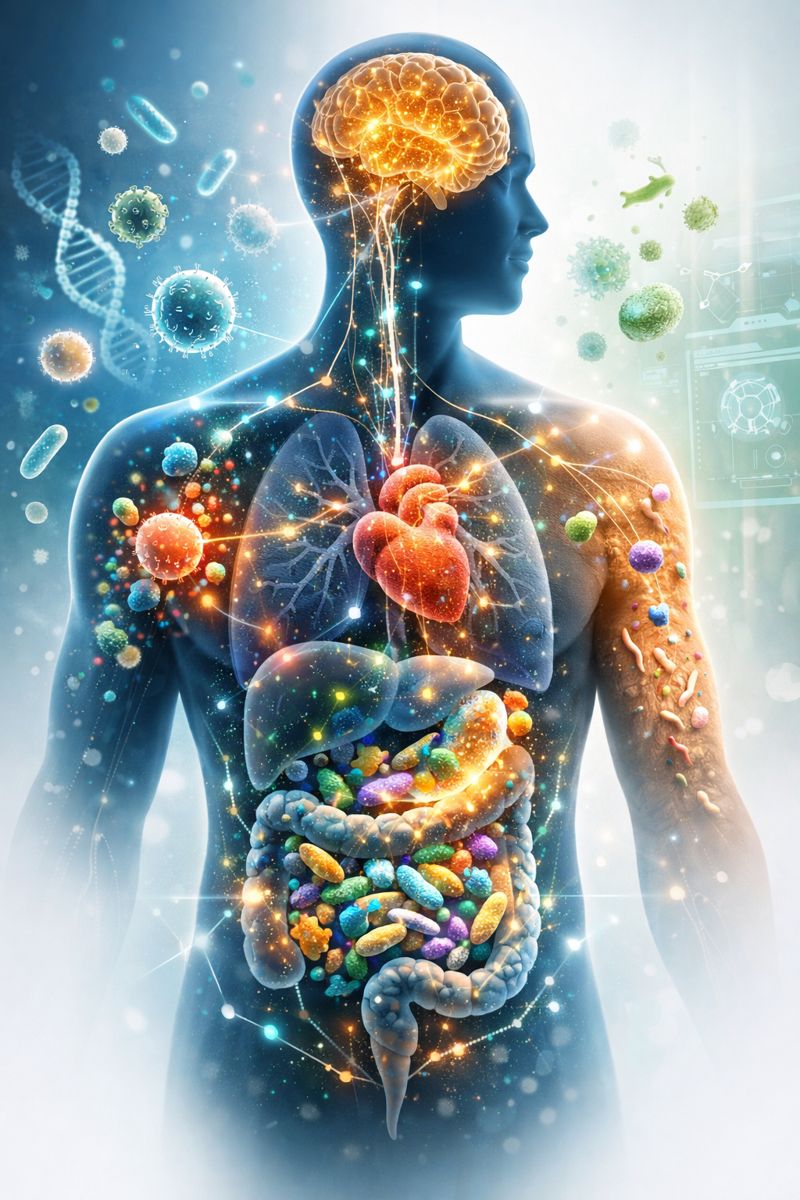
The human body was considered a self-contained system for decades. Even nowadays, science tells a much more interesting story. Within each of us exists a large ecosystem comprising trillions of microorganisms: bacteria, viruses, fungi, and archaea, which is usually referred to as the human microbiome. After being considered primarily a digestion-related entity, the microbiome has come to serve as one of the most influential determinants of human health, as it affects all aspects, including immunity, metabolism, mental health, and disease prevention.
Now, entering 2026, science is not yet seeking to answer questions such as Should We Care About This Microbiome at All? But how Much Can This Microbiome Define Who We Are? The microbial life is redefining the future of medicine, nutrition, and personalized health care.
What Is the Human Microbiome?
The human microbiome is the body or gut-housed collection of microorganisms living with humans. Those microbes can be in the stomach, on the skin, in the mouth, inside the lungs, and even in the brain. Their functions include digesting food, making vitamins, controlling inflammation, getting rid of pathogens, communicating with the immune system, and communicating with the nervous system.
Beyond Digestion: Enhancing the Microbiome Roles.
1. Immune System Regulation
Almost 70 percent of the immunity is found in the gut. The microbiome enables immune cells to tell the difference between friend and foe. A healthy microbiome promotes immune tolerance, whereas microbial imbalance or dysbiosis underlies autoimmune disease, allergy, and chronic inflammation.
In the future, microbiome profiling will probably play a part in predicting immune-related disease and responses to vaccination.
2. The Gut-brain axis in relation to mental health.
The gut-brain axis is the most dramatic and exciting discovery that has emerged, described as an endocrine link between the gut microbiome and the brain. Gut microbes also produce neurotransmitters with direct effects, such as serotonin, dopamine, and GABA, which influence mood, stress, and cognitive function. Both of these diseases have been associated with anxiety, depression, autism spectrum disorders, and neurodegenerative diseases related to microbial dysbiosis.
Psychobiotics — probiotics designed to cater to people’s mental health needs — will be considered standard mental health care by then.
3. Optimizing Metabolism, Obesity, and Diabetes.
The microbiome is important in the way the body derives energy from food, stores fats as well, and maintains blood sugar. The connection of some microbial patterns with obesity, insulin resistance, and type 2 diabetes exists. Microbial diversity is put forward in the future nutrition approach rather than its emphasis on calories alone. The bottom line is a diet plan that’s tailored to you that should be more effective than traditional weight loss strategies by the first quarter of 2026.
4. Cardiovascular Health
Recent data are linking gut bacteria to cardiovascular health through compounds such as trimethylamine N-oxide (TMAO), which affects cholesterol metabolism and inflammation. Microbiome interventions can become advanced in the near future, even though they have yet to be combined with regulatory measures of heart disease, changing the paradigm of symptom control to microbial regulation.
5. Skin, Hormones, and Aging
The microbiome on the skin acts as a pathogen shield, an inflammatory controller, and a support of the skin barrier. In the meantime, intestinal microbes are an impactor of hormone metabolism, such as that of estrogen, cortisol, and thyroid hormones. Anti-aging and dermatological therapies are becoming more and more focused on the microbiome, and the surface symptoms are being addressed only secondarily by 2026.
Today, great advances are being made by the Microbiome and Personalized Medicine: A Healthcare Journey in 2026. The microbiome is the key to the future of health care, which is personalized health care
Key 2026 Developments Include:
Smaller units of life, specifically bacterial communities engaging in symbiosis, are microbiomes. Microbiomes are smaller units of life that are the communities of bacteria involved in symbiosis (see Appendix).
Individual-genetic probiotics targeted.
The concept of microbiome-based diagnostics to detect diseases early has not yet been implemented, but this advance is expected to appear in the near future (Denzin and Boll et al., 2019).
- Instead of the generic supplements, postbiotics and symbiotics should be used.
- Fecal microbiota transplantation (FMT)was purified to go broader approach.
- Clinicians are shifting towards the use of precision microbe-based diagnostics to detect early disease instead of the one-size-fits-all treatments.
- Fecal microbiota transplantation (FMT) has been developed to have wider application.
Clinicians are shifting towards precision microbiome modulation, as an alternative to the model of a single-shoe-fits-all approach, to restore a sense of balance, instead of muting the symptoms.
The Things That Influence Your Microbiome.
Even though microbial genetic makeup can be a source, lifestyle has a drastic effect:
- Sleep: Microbial diversity is low in response to poor sleep.
- Physical exercises: Exercise promotes the useful microbes.
- Environmental exposure. In a clean, non-sterile environment, this is important advice in 2026 that goes more towards microbiome-friendly lives as opposed to the single-minded health debates.
Nourishing the Microbiome for the Future.
To get ready for my microbiome today and prepare to meet the health horizon of tomorrow:
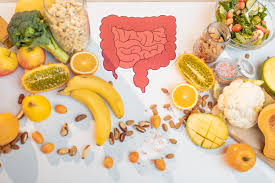
- Eat diverse whole foods
- 1 Give preference to fermented foods: yogurt, kefir, kimchi, and sauerkraut.
- Lower consumption of ultraviolet foods and added sugar.
- Eat antibiotics when necessary.
- Use integrity to overcome anxiety. Exposure to nature exposes one to more microorganisms.
It is perfection, – the aim – diversity and balance.
Concluding remarks: A New Definition of Health.
Human microbiome undermines the traditional idea of thinking about human health as being solely made up of human cells. It lets us see that health is something we achieve together, shaped by lives we never glimpse.
By 2026, the microbiome will cease to be a niche subject; the microbiome is at the root of preventive care, mental health, longevity, and personalized medicine. Knowing about and caring for this inner ecosystem may emerge as one of the most potent health moves of our time.
And we are not merely looking after ourselves, but a whole universe inside.
FAQs
1. What is simple about the human microbiome?
The human microbiome is home to trillions of bacteria, fungi, and other minute organisms that colonize the human body and digestive system and aid in the stewardship of immunity and good health.
2. Can the microbiome influence mental health?
Yes. The gut microbiota affects neurotransmitters via the gut–brain axis and has been associated with anxiety, depression, and cognition.
3. How do I improve my microbiome naturally?
Moreover, A high-fiber diet, fermented foods, stress management, exercise, and avoiding antibiotics can improve the health of your microbiome.