
Wholegrain cereals are becoming more and more present in today’s menus as individuals have become more aware of the importance of the digestive system, managing their body weight, and preventing diseases. Instead of refined breakfast cereals that are high in sugar and very low in nutrients, high-fiber cereals are made with whole grains, bean pulses, and seeds, which naturally keep their fiber content. Cereals are also an excellent source of sustained energy and overall wellness, so it’s no wonder they are ideal for any meal of the day.
What Are High-Fiber Cereals?
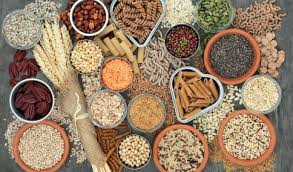
Dietary fiber is a good source of fiber, i.e., it contains 5 g or more of dietary fiber per serving. They are usually made from whole wheat, oat, barley, bran, lentils, seeds, or other plant-based materials. These cereals are whole-grain and are therefore less processed and retain the essential nutrients, providing more health benefits than the refined cereals.
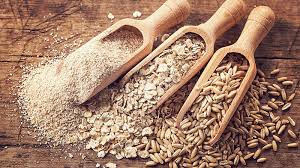
Importance of Dietary Fiber
A dietary fiber is a kind of carbohydrate that cannot be digested by the body. Rather than being digested into small fragments, fiber undergoes digestion and aids various body processes. Soluble fiber ensures that the blood sugar level and cholesterol are regulated, and insoluble fiber makes sure that the bowels are regular. Cereals, high in fiber, er usually have both types, and are thus of great help in general health.
Digestive Health benefits:
It is also beneficial for digestive health.
These products promote digestion and the absorption of nutrients.
The reason whole grains are beneficial is that they make the digestive system work better by bulking up your stool and easing the passage of bowel movements. This will help hold constipation, bloating, or stomachache at bay. Fiber also nourishes beneficial gut bacteria, promotes a healthy gut microbiota, increases nutrient utilization, and boosts immune system function.
Heart Health Support
The oat and barley cereal, which contained soluble fibers, also helped in blood cholesterol reduction by entrapment of cholesterol in the intestinal content and elimination via feces. Regular consumption of these high-fiber cereals also diminishes the risk factors for heart disease and stroke. These grains nourish good arteries and heart health.
Blood Sugar Regulation
The digestion and absorption of carbohydrates are slowed by high-fiber cereals, so they don’t cause rapid increases in blood sugar levels. This is why they are ideal for diabetes, insulin resistance, or really anyone who just wants to have consistent energy all day. Fiber-containing cereals are a source of permanent strength and enable a person to fight against fatigue.
Role in Weight Management
Fibers make one feel full and also control appetite since they make one satisfied for a longer period. By eating a high fiber breakfast, cravings are reduced and overeating in the later part of the day is avoided. This renders high-fiber cereals as an effective and sustainable weight management choice.
2026 Nutrition Trends and High-Fiber Cereals.
The 2026 nutrition trends focus on the idea of eating first fiber, gut health, and whole foods. Cereals with high fiber content are the exact right trends since they are plant-based, minimally processed, and full of nutrients. Moreover, A good number of modern cereals contain low amounts of added sugar as well as clean-label ingredients, and as a result can be enjoyed by a vast number of dietary preferences.
The Guide to Selecting the Best High-Fiber Cereal.
A high-fiber cereal should be chosen to read nutrition labels with care. Look for whole grains, high fiber, and low amounts of added sugar in cereals. Don’t buy heavily processed breakfast cereals that have artificial colors, flavors, or sweeteners.
How to Add into Your Diet High-Fiber Cereals.
High-fiber cereals can be simply included in the daily diet. Delicious enough to be eaten with milk or a milk substitute, stirred into yogurt, crowned with fruit and nuts, or mixed in smoothie bowls. Moreover, both fiber and water consumption promote digestion and help ease it.
Conclusion
Cereals high in fiber are not just a breakfast food, but it is also a good way to improve the health of the digestive system, cardiovascular health, blood glucose control,ol and losing body fat. In light of the fiber- and gut-health-focused nutrition trends of the moment, incorporating high-fiber cereals into the daily mealtime offers a simple, effective way to support health and well-being for the long term.
FAQs
1. Is High Fiber Cereal Good for Digestion?
Yes —high-fiber cereals promote digestion by helping to regulate your bowels and providing good gut bacteria with food. In addition, it leads to good digestion, which in turn frees you from constipation, bloating, and indigestion.
2. Do High Fiber Cereals Aid in Weight Loss?
High-fiber cereals lead to longer feelings of fullness, and this longer satiety may help reduce hunger and food consumption. Either way, that makes them a great choice for healthy and sustainable weight loss.
3. Can High Fiber Cereal Be Consumed by Diabetics?
Yes, high-fiber cereals slow the digestion of carbs and positively impact blood sugar. However, they also make a good choice if you’ve got diabetes or insulin resistance.