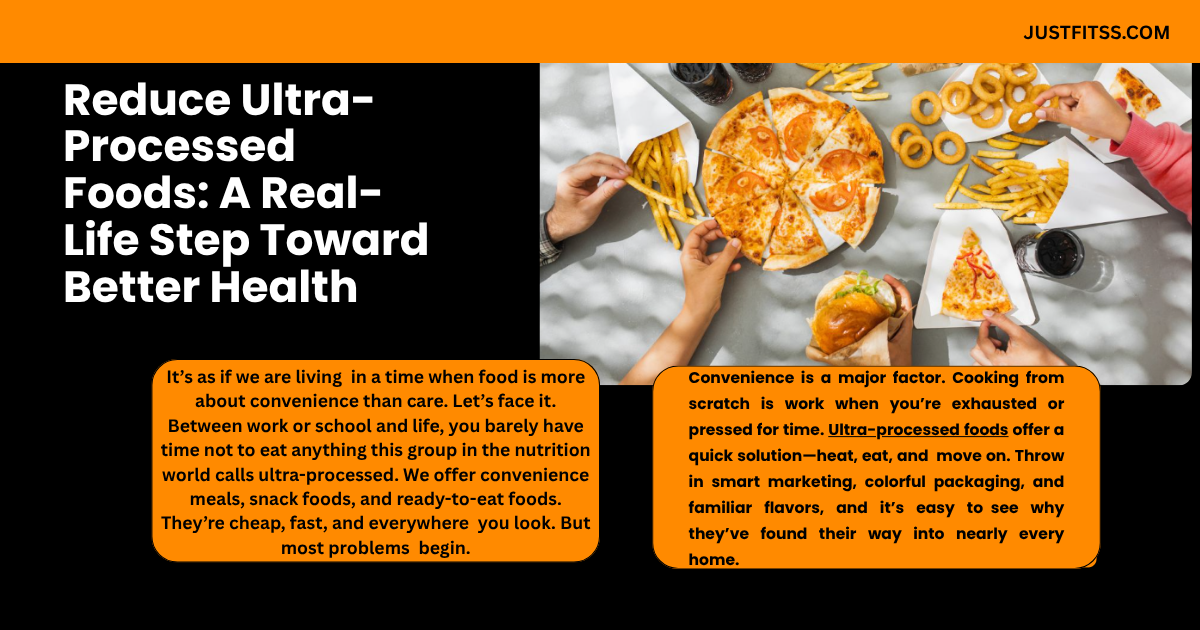
It’s as if we are living in a time when food is more about convenience than care. Let’s face it. Between work or school and life, you barely have time not to eat anything this group in the nutrition world calls ‘ultra-processed’. We offer convenience meals, snack foods, and ready-to-eat foods. They’re cheap, fast, and everywhere you look. But most problems begin.
Ultra-processed foods are now a daily part of life, as we are busy and often work late, order takeout from online delivery sites, and eat snacks from packages. They’re in the cereal aisle at breakfast and in the frozen food section at night. They’re cheap to make, inexpensive to buy, extremely popular, and meant to be very yummy.
But making cutbacks doesn’t mean forgoing favourite treats or cooking nonstop.
So, What Are Ultra-Processed Foods?
By definition, these are foods that contain little to no real, whole food and more chemical and artificial ingredients, making them unrecognisable from their source or ingredients. They’re not cooked in kitchens; they’re manufactured in plants. There are flavour enhancers, preservatives, sweeteners, artificial colours, and flavours.
Just think:
- Sugary cereals for breakfast
- Ice-covered dinners and instant noodles
- Soft drinks, energy drinks, or juices
- Crisps, chocolates, and biscuits
- Processed meats such as sausages, nuggets, and hot dogs
These taste great and make life simple; however, their offerings are relatively low in the nutrition department. What they take away from you in taste, they give back in long-term health.
(Even If They Don’t Look Dangerous)
The problem with ultra-processed foods isn’t just what they are made of, but how they affect your body in the end. Many contain high levels of sugar, unhealthy fats, and salt and are low in vitamins, fibre, and minerals.
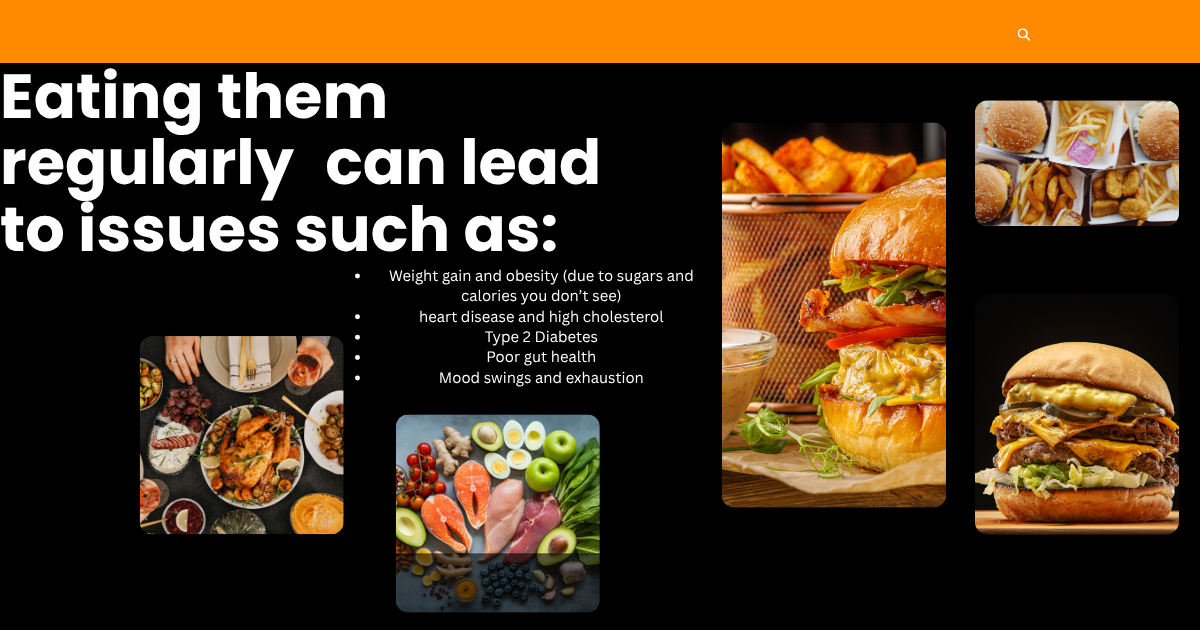
Eating them regularly can lead to issues such as:
- Weight gain and obesity (due to sugars and calories you don’t see)
- heart disease and high cholesterol
- Type 2 Diabetes
- Poor gut health
- Mood swings and exhaustion
If you add in how addictive they are, that’s just more terrible. The combination of salt, fat, and sugar stimulates your brain’s pleasure centres—many of the same regions involved in addiction. That’s how you can open a bag of chips and finish it without realising it.
Why We Keep Reaching for Them
Convenience is a major factor. Cooking from scratch is work when you’re exhausted or pressed for time. Ultra-processed foods offer a quick solution—heat, eat, and move on. Throw in smart marketing, colourful packaging, and familiar flavours, and it’s easy to see why they’ve found their way into nearly every home.
But here’s the reality: as soon as you start eating more real, simple food, your taste buds begin to change. You begin to long for natural flavours—a juicy orange, a crisp salad, or warm home-cooked rice suddenly seems more satisfying than anything that comes out of a packet.
Processed food companies also spend billions on advertising and product design to make processed foods very appealing to their customer bases. These products appear to be irresistible due to their calming packaging as well as the robust tastes and ease of usage. Some of the reasons for using ultra-processed foods are the following:
- Convenience and speed
- Lower short-term cost
- Easy availability
- Long shelf life
- Aggressive marketing
How to Reduce Ultra-Processed Foods (Without Feeling Deprived)
You don’t need to stop everything at once. Slow, gradual progress is far more important than fad diets. Here’s how to get started:
1. Read those labels.
If the list of ingredients looks like a science experiment, leave it. The fewer ingredients, the better.
2. Cook A Little More.
Even one extra home-cooked meal a day can make a difference. Cook soups, curries, or roasted veggies on weekends and freeze them in meal-sized portions.
3. Snack Smarter.
Trade in the chips for nuts, fruit, yoghurt, or popcorn. You will stay fuller longer and feel better.
4. Drink Water or Fresh Juices.
Really, almost all the drinks you can buy today are packed with sugar. Water with a splash of lemon or a sprig of mint is delicious, and you’re better hydrated.
5. Shop the perimeter of the store.
You will find fresh fruits and vegetables, dairy, and meat in the outer aisles—not in the centre aisle where all the processed food is.
6. Be Nice to You.
This isn’t about being perfect. It’s okay to eat a burger or some ice cream for a treat now and then. But that’s the nice thing about eating. It’s what you do most of the time, not in the holidays.
What Happens When You Cut Back?
The contrast can be staggering. A week or two later, they feel “lighter”, less bloated, and more energetic. You may be a bit impatient over the next few months, as you wait for clearer skin, more emotional stability, better sleep, and possibly improved concentration. You’ll also lower your risk of heart disease, diabetes, and dozens of other diseases. And perhaps the biggest payoff—you control your eating habits rather than food controlling you.
It’s About Balance, Not Perfection
Life is too short to cut out all your favourite foods. The most important thing is balance – understanding what your body really needs and treating ultra-processed foods as a rare treat, rather than making them a daily staple. Good food is great for your mood and energy levels, not just your stomach: “Real food doesn’t just fill your stomach; it feeds your health, mood and energy.”
Clean eating is not a fad diet; it’s common sense.
Final Thoughts
Cutting back on ultra-processed foods isn’t a punishment or about deprivation — it’s a matter of respect. Respect for your body, health, and future. Everything helps a little bit. Just opting for water instead of soda or making one meal from scratch might set off a cascade that alters everything.
The foods are typically rich in sugar, trans fat, salt and other additives with few nutritional benefits. While they are easy enough to grasp and advertise heavily, a heavy dependency on ultra-processed food can raise the chances of getting obese and developing heart disease, diabetes, digestive issues and low energy. People can eat more easily digested food, have more energy, better immunity and better weight management and will feel better by eating more whole and less processed foods.
One bite at a time, real food brings you back.
FAQs
1. What is the consensus on processed foods from a health perspective?
No. Things like frozen vegetables, canned beans, and yoghurt are processed and still nutritious. “It’s been much more heavily processed with artificial ingredients and chemicals.”
2. Is it right to still eat fast food now and then?
Yes, absolutely. It’s OK to have it once in a while—don’t turn it into a regular thing.
3. What’s an easy meal to replace processed snacks?
Boiled eggs and fruit, Greek yoghurt with honey, or little homemade smoothies. They are to be prepared, hearty, delicious, and healthy to boot.