Most people believe that there is no better method to stay hydrated than to drink water. Water is essential, but not the only factor determining your body’s health, freshness and energy. Each of your daily foods is also important in maintaining hydration in the body.
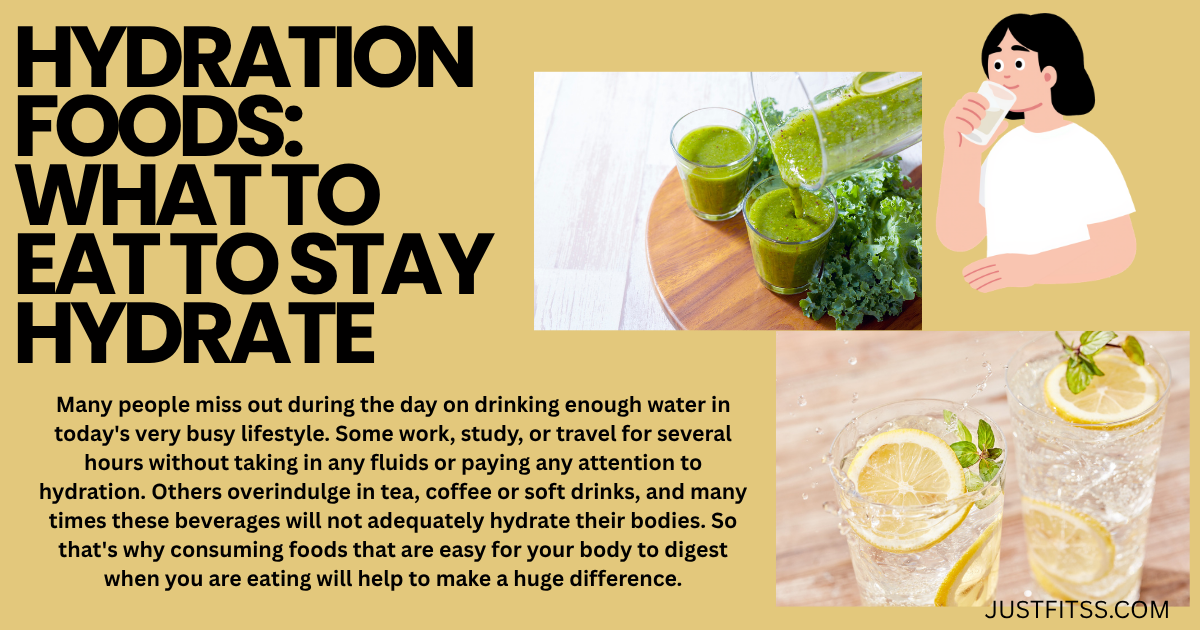
Many people miss out during the day on drinking enough water in today’s very busy lifestyle. Some work, study, or travel for several hours without taking in any fluids or paying any attention to hydration. Others overindulge in tea, coffee or soft drinks, and many times these beverages will not adequately hydrate their bodies. So that’s why consuming foods that are easy for your body to digest when you are eating will help to make a huge difference.
The bright side is that there are foods that can be consumed every day, are inexpensive, and are easy to access that provide hydration. There is no need to follow any strict diet or any high-cost ingredients. It is possible for somebody to attain a well-balanced and refreshed body by naturally making their single day-to-day decisions.
Why Your Body Needs Proper Hydration
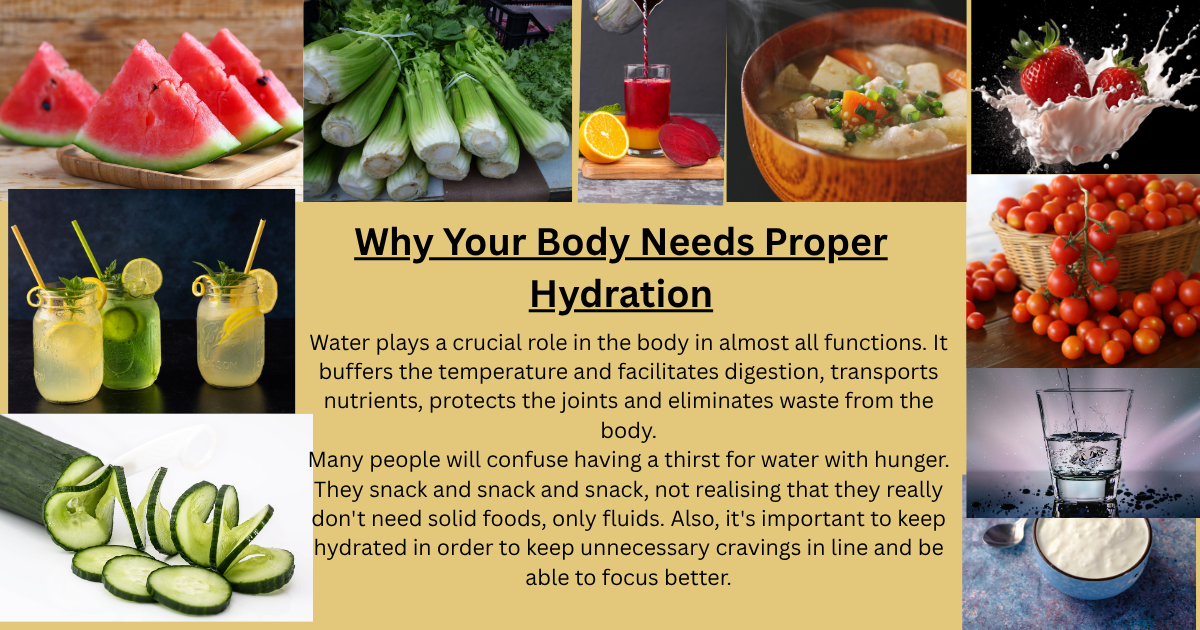
Water plays a crucial role in the body in almost all functions. It buffers the temperature and facilitates digestion, transports nutrients, protects the joints and eliminates waste from the body.
Many people will confuse having a thirst for water with hunger. They snack and snack and snack, not realising that they really don’t need solid foods, only fluids. Also, it’s important to keep hydrated in order to keep unnecessary cravings in line and be able to focus better.
Hydration foods can make hydration easier and even more fun and palatable when consumption of drinking water is always a part of your routine.
1. Watermelon: The Perfect Summer Fruit
Being made up of mostly water, watermelon is one of the best hydrating foods for hydration. Refreshing, juicy and light, particularly in hot weather. The boon of watermelon is that it’s easy to eat. It can be eaten as a snack, in a fruit salad, in a fresh juice or in a smoothie.
The nutrients found in watermelon, in addition to water, help to promote skin and heart health, with its vitamin C content and antioxidants. After spending a lot of time in the outdoors, it is some people’s pleasure to eat cold watermelon that comes with all the distinction of being cooling and refreshing.
It’s yet a wholesome treat amidst the summer heat rather than a treat of sugar or processed snacks.
2. Cucumbers: Simple but Extremely Refreshing
The second favourite hydration food has to be cucumbers. They have high water content and are also low in calories.
Cucumbers are a popular ingredient in salads or in sandwiches and can easily be served plain on their own with a little salt and/or a bit of lemon or yoghurt dip. On the warmest days of the year, with some extra cold water, cucumber slices make a refreshing drink that is less sweet than many soft drinks.
Cucumbers are also in demand due to their stomach-friendliness and their fresh and balanced flavour.
3. Oranges and citrus fruits!
There’s more to oranges than just delicious sweetness, and they have a lot of water and vitamin C, which they are made of. They are good for helping to stay hydrated and enhance immunity. Fresh oranges are a ‘fast food’ eat, which is healthy and filling. Many would rather consume whole oranges than fruit-packed juices since whole fruits have fibre.
Citrus fruits such as oranges, grapefruit and lemons are also great ways of giving the body a boost of energy in the summer. It’s a simple thing that you can do to get people more hydrated: put lemon slices in water. These fruits are particularly beneficial in times of fatigue or when energy is lacking, as they contain natural sugars and nutrients which are neither too heavy nor too light.
4. Strawberries: Sweet and Hydrating
Strenuously enjoyed for their sweet taste, strawberries are likewise wonderful for hydration. Are high in antioxidants and fibre and also have high water content. Use them as a breakfast bowl, in a smoothie, as part of yoghurt or eaten fresh. To enjoy strawberries as a daytime snack, humans tend to store them in the refrigerator. In addition to that, it’s a healthier way of fulfilling sweet cravings than processed desserts.
Strawberries are a favourite of everyone and are not too difficult to incorporate into family meals.
5. Tomatoes: Juicy and Full of Flavour
Ripe tomatoes come in handy, are inexpensive, can be found nearly anywhere, and are one of the simplest hydrating foods to consume regularly. Tomatoes are an inherently juicy and easy-to-add food in the diet. They can be sliced to go in sandwiches, sprinkled in salads and suited for soup. Water and key nutrients are provided to deliver hydration. Fresh tomatoes also have antioxidants that might promote cardiovascular and skin health.
6. Yoghurt: Cooling & Nourishing.
Yoghurt does not typically come to mind as a food that hydrates; however, it does contain a decent amount of water and will regulate the body’s temperature. It is also a good source of protein, calcium and probiotics that aid digestion and gut health. Can be used as a refreshing breakfast or snack along with fruits in a bowl of yoghurt. In summer, so many people love to drink a yoghurt beverage, as it is light and soothing.
Greek yoghurt with honey and berries is yet another easy option that’s a healthful treat but not quite dull. In hot weather, when heavy foods are out of place, yogurt meals are particularly helpful.
7. Water: Natural Hydration
Many people have taken to coconut water due to the fact that the water’s electrolytes, such as potassium and magnesium, are naturally occurring in it. Coconut water can quickly rehydrate the body after a workout or after spending time in the heat. Coconut water is also less sweet and much more natural than other sugary sports drinks. It’s consumed after exercise and as a healthy afternoon beverage.
Can also be added to smoothies or with fruits for additional flavour.
8. Celery: Crunchy and Light
Another good choice to drink is celery since it’s largely water.
Has a cool crunch to it and is delicious dipped in peanut butter, hummus or yoghurt. Some people use celery in soups and salads, and others like to drink fresh vegetable juice with celery in it. As celery is low in calories and low in fat, it could enable individuals to snack mindfully and without consuming.
9. Soups can be used for hydration, too.
- Don’t forget that soups keep the body hydrated as well.
- Fluid and nutrients plus heat: Vegetable soups, lentil soups and light broths.
- Soups can be particularly beneficial in colder weather during the winter as folks drink less water.
- Homemade soups are more likely to go down your throat than packaged soups because they are unlikely to be as salty.
- Soups are an even more nutritious meal when vegetables, carrots, celery, spinach and tomatoes are added.
10. Pineapple: A sweet, juicy and refreshing fruit.
Pineapple is another fruit that is rich in water. It is a sweet and mild-tasting fruit, refreshing in summer. Fresh pineapple can be eaten on its own, in smoothies and fruit bowls or used in various other fruit drinks. People like pineapple because it doesn’t take too much effort, and it tastes great as well. Can also be a healthy alternative to sweet desserts. It has a good taste, which gives some variation to what should be considered a nutritious meal and helps to make a healthy diet look more appetising than it is supposed to look.
Here are some simple ideas to increase your intake of hydration foods:
- Incorporating foods into your diet to keep you hydrated doesn’t need to be a challenge.
- Here are some do-it-yourself tips:
- Have fresh fruit for breakfast.
- Eat cucumbers, tomatoes, vegetables and fruits during lunchtime.
- Eat fruit and veg instead of chips.
- Have smoothies made of yoghurt and berries
- Increase the number of times you consume soups in colder weather.
- Store cut-out fruits in the refrigerator for a fast snack.
There are easier things to do than crazy dieting. With time, these selections can help to enhance hydration and wellness.
Signs Your Body May Need More Fluids
- Dry lips
- Headaches
- Dark urine
- Feeling tired often
- Dizziness
- Dry skin
- Muscle cramps
Listening to these indicators may help you treat your body before developing more severe dehydration.
Hydration and Skin Health.
Dry, discoloured or tired-looking skin can indicate dehydration. Compounds found naturally in the water found in foods hydrate and provide vitamins for healthy skin. The fruits, such as oranges and strawberries, have vitamin C content, whereas cucumbers and watermelon are fresh standby offerings to invigorate the body within.
While skin care products may contribute to healthy-looking skin, diet and the amount of fluid consumed (hygiene) are also critical.
How to keep cool when time is valuable.
People tend to neglect the importance of drinking water due to their busy schedules. There may be many hours between drinking sufficient amounts of water and consuming a balanced meal among students, office workers, and parents.
Keep hydrating foods on hand.
Healthy options on busy days can be easier to make with a bottle of water full of lemon slices, a container with fruit or one or two small cups of yoghurt. Choices often go hand-in-hand with what’s for dinner. Pre-planning often proves to be the secret to improved eating choices.
Conclusion
Water is not enough – it’s about staying hydrated. The food you consume on a daily basis also keeps your body fresh, energised, and healthy. Some simple foods, such as watermelon, cucumbers, oranges, yoghurt, leafy greens, strawberries and soups, can be used naturally to assist with dehydration as well as to provide valuable nutrients. Best of all, there are foods, and they’re available, painless and easy to incorporate into your daily dishes. There is no complicated routine you’ll need to follow to take care of your body. Simple adjustments to diet, such as having more fresh fruits or veggies or swapping junk food with wet foods, may be a world of difference in terms of one’s feelings.
Water is beneficial to energy, digestion, skin health and wellness. It is possible to keep a person hydrated without any effort by incorporating improved food and beverage choices into his/her daily diet. Staying hydrated can be a natural and enjoyable part of a person’s health simply by choosing the foods and beverages that they eat on a daily basis.
Frequently asked questions.
1. What are hydration foods?
Hydration foods are foods which are rich in water content that supports the need for fluids in our bodies. For example, watermelon, oranges, soups, cucumber, strawberries, and lettuce.
2. Can hydration fruits replace drinking water?
No. Hydrating fruits can just take part in your daily fluid intake, but for proper hydration, drinking water is essential.
3. Which fruit is best for hydration?
Watermelon is one of the most important hydrating fruits, which contains 90% water with minerals and vitamins.
4. Is yoghurt also considered a hydrating food?
Yes. Yoghurt is also considered a hydrating food because it contains a beneficial amount of water and also provides calcium, minerals and significant probiotics.