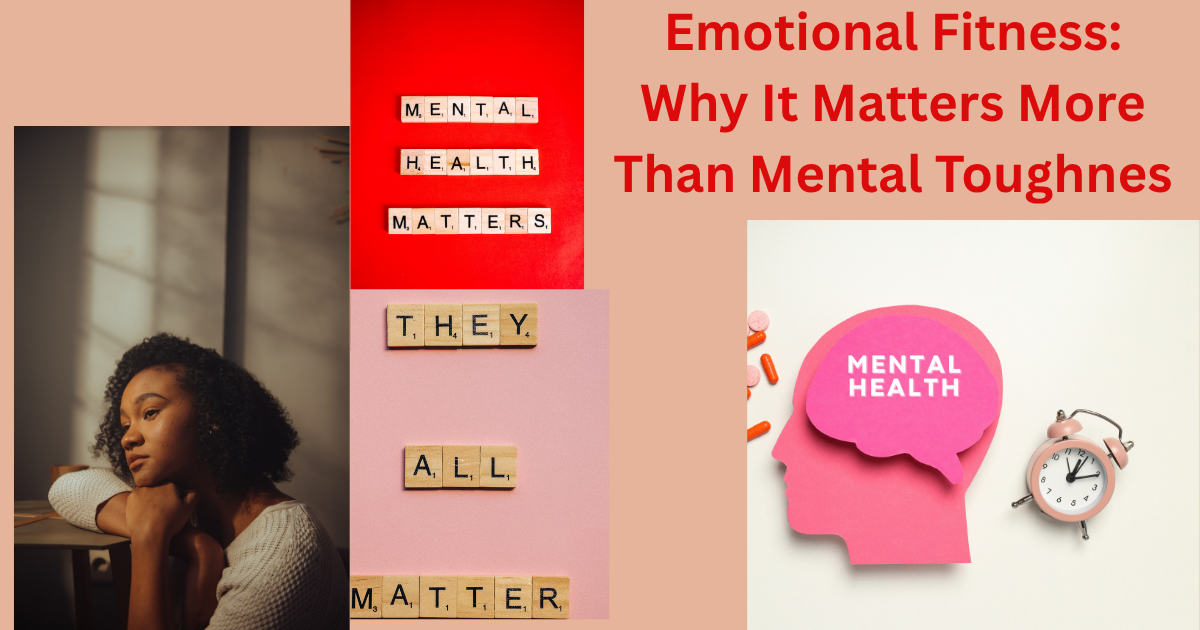
Mental toughness has been a goal for many for years. Many people believe that being physically fit in tough times, pushing through the pain, and continuing no matter what is challenging are what it takes to be successful. Mental toughness has been a highly touted attribute, both in sports and in life, not to mention in business and education.
However, today things have become so complex. People experience stress all the time, see a lot of information, and have challenges with relationships, stress with work, and emotional demands. Emotional fitness can sometimes be more crucial than mental toughness in today’s fast-paced world, enabling people to thrive emotionally without dismissing their emotions. It helps people to be strong yet relate to themselves and others.
Emotional Fitness: What is it?
Physical health is achieved by exercising regularly, and emotional health is the result of regular work and focus on oneself. It doesn’t happen to people at birth, either staying or going. This is an ability that may be developed in the long run.
An emotionally fit person can:
- Recognise and be aware of their feelings.
- Think in response to a stimulus rather than react to it.
- Handle stress effectively.
- Recover from setbacks.
- Build healthy relationships.
- Adapt to change.
- Communicate emotions clearly.
Emotional fitness isn’t about constant happiness. Rather, it’s dealing with the entire spectrum of human feelings in a healthy manner.
Understanding Mental Toughness
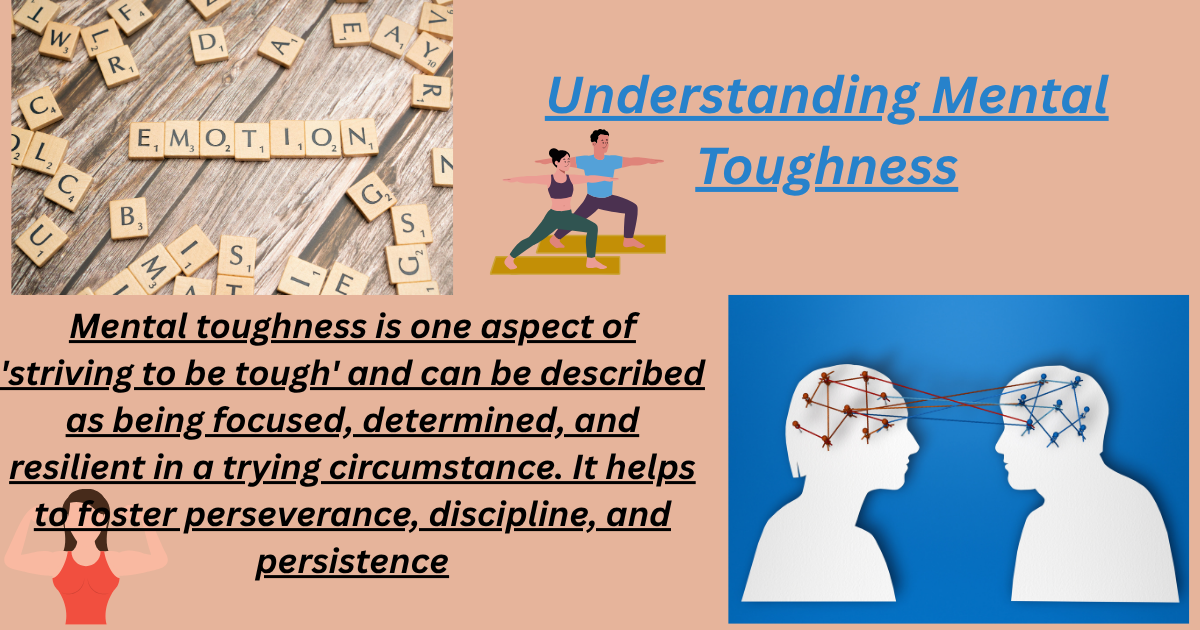
Mental toughness is one aspect of ‘striving to be tough’ and can be described as being focused, determined, and resilient in a trying circumstance. It helps to foster perseverance, discipline, and persistence.
Examples of mental toughness would be the following:
- Working toward an objective (Despite obstacles)
- Remaining calm during pressure situations.
- Managing anxiety in challenging circumstances.
- Keeping up the momentum in the face of challenges.
Mental toughness could be helpful in numerous circumstances. It is essential for anyone who is performing, working in a business, or in any career. But when mental toughness is mistaken for ignoring feelings or ‘as if feelings don’t exist’, problems come up.
Why Emotional Fitness Matters More
The rising demands of this modern world are too harsh to withstand. Today, people face stress at high levels. Emotional burdens exist every day due to social media contrasts, constant connectivity, financial concerns, workplace pressure, and information overload.
Emotional fitness gives you the means to sustainably handle stress in such an environment. The type of individual who only uses mental strength may be able to maintain high stress levels until they reach a breaking point. An emotionally fit person can identify signs, respond appropriately, and prevent reaching the breaking point.
This proactive approach is extremely beneficial in today’s world with regard to emotional fitness.
Emotional Fitness Supports Stop Burnout
Burnout is a widespread problem for students, professionals, parents, and carers. In many cases, people go on to push themselves or exert themselves from time to time since they think they must maintain themselves as tough as they can. They do feel tired and get frustrated but recognise it early. Emotional fitness makes you listen to these signals rather than ignore them and leads to better health.
For instance, an emotionally literate worker could identify when signs of stress were beginning to occur and could stop working for a while, seek help, or attend to recovery. This will help prevent any small issues from turning into huge problems. One can feel emotions and not burden them with excessive amounts of energy by releasing them, enabling them to be long-term healthy and cheerful.
The Major Role of Self-Awareness
Self-awareness is one of the bases of emotional fitness. Self-awareness means understanding emotions, thoughts, behaviours, and triggers. It assists you to identify patterns that can relate to your responses.
As an illustration, visualise getting important feedback at work. Without self-awareness, a person may react defensively or angrily to feedback. When an emotionally fit person becomes aware of their emotional response to a situation, he/she stops, considers their feelings, and acts in a different manner.
Emotional Fitness Strengthens Relationships
Self-aware people, therefore, have decisions about themselves they can make for the better; they will communicate better and maintain healthier relationships. Emotional fitness strengthens relationship connection. A self-help technique that supports the emotional health of relationships. Quality relationships are an important component of well-being. Emotional fit is called more open communication, listening skills, and empathy for others.
They try to exclude the idea of winning any argument and to understand when conflicts occur. While in disagreement, for instance, an emotionally fit person might not get angry about others but express his or her emotions properly and might find a solution for the problem that can improve the situation for everyone concerned. In developing these skills, you build trust, reinforce relationships, and develop better personal and professional relations.
Emotional fitness improves resilience
Resilience is sometimes said to be ‘conditions of bouncing back from difficulties’. Emotional fitness will allow individuals to handle difficult experiences or challenges more perfectly. There are inevitable times of disappointments and failures, losses, and unexpected changes in one’s life. Emotional fitness allows others to experience this without getting mired down in negative emotions.
Emotionally fit people ask themselves questions about learning and growth—not about avoiding pain. People pose questions about learning and growth, not pain avoidance. This attitude instils the concept of lifelong resilience and growth.
The Connection Between Emotional Fitness and Physical Health
There is a strong relationship between the mind and body. Living in a chronically stressed state and not dealing with your emotions can lead to a lack of sleep, fatigue, headaches, digestive disorders, and lowered immunity.
Emotionally fit people tend to use healthy coping behaviours to handle their emotions, including:
- Regular physical activity
- Mindfulness practices
- Healthy sleep habits
- Social support
- Relaxation techniques
These practice areas not only enrich the emotional lives of people but also physical health as well.
Therefore, emotional fitness isn’t limited just to mental performance but is a part of one’s overall wellness.
How to Shape Emotional Fitness
Practice emotional awareness
Pay attention to your feelings all day long. Instead of realising good or bad. A simple way is just to observe them.
Ask yourself:
- How do I feel like this?
- Why do I feel like this?
- What triggers me more?
Develop healthy strategies
Everyone goes through stress. The main work is not to eliminate the stress but to reduce or manage it effectively. You should develop healthy habits like,
- Deep breathing
- Walking outdoor
- Talking with your friends
- Meditation
Strengthen self-incrimination.
There are lots of people who are good to others, but not to themselves. Emotional fitness is being as kind and understanding towards yourself as you would be towards a friend. If there are any errors, always think in terms of learning instead of self-criticism. Strong social connections are developed. Stronger interpersonal networking skills developed. Positive relationships are like a comfort to listen to when facing challenges.
Work more effectively with co-workers.
Manage stress in the workplace better. Be more resilient and cope better with change. Show increased leadership abilities. Emotional fitness is becoming an important workplace attribute as the needs of the workplace continually change. There is a growing realisation amongst employers that there are many links between emotional health and productivity, engagement, and satisfaction at work. They are learning that strength is not sinister and related to avoiding feelings. It’s knowing how to deal with them, how to manage them, and how to take advantage of them as resources for information.
Build Solid Social Networks
You can also get emotional support through meaningful relationships in your difficult times. You should spend time with family, friends, and also supportive communities. In emotional well-being, strong social networks play a crucial role.
Learn to Accept Problematic Emotions
Emotional fitness is not about ignoring and rejecting negative feelings. These are natural thoughts like sadness, frustration, and fear. Accepting these emotions feels relaxing.
Conclusion
Enhancing mental toughness is the right thing. It can have a calming effect on people when they are in challenging situations; it can get them focused, disciplined, and determined. But emotional fitness has much more benefit—it gives the ability to understand and control feelings and to be resilient and healthy. This is a world full of rapid change; emotional fitness gives, gets, and trains you to deal with stress, strengthen relationships, avoid burnout, and recover from setbacks. It helps to move away from emotions and accept them.
Frequently asked questions
1. How does emotional health impact your relationship?
Emotionally fit people enjoy better communication, conflict management, and empathy skills, which increase relationships.
2. Do emotional fitness levels have a positive effect on work productivity?
Yes. The implications for emotional fitness in a workplace setting are increased teamwork and leadership abilities, adaptability, productivity, and better stress management.
3. What is emotional fitness?
Physical health is achieved by exercising regularly, and emotional health is the result of regular work and focus on oneself.
4. How does emotional fitness affect mental health?
Poor emotional health can affect mental health. Emotional fitness gives you the means to sustainably handle stress in such an environment. Emotional fitness improves mental health by helping individuals manage stress, regulate emotions, and maintain psychological balance.