
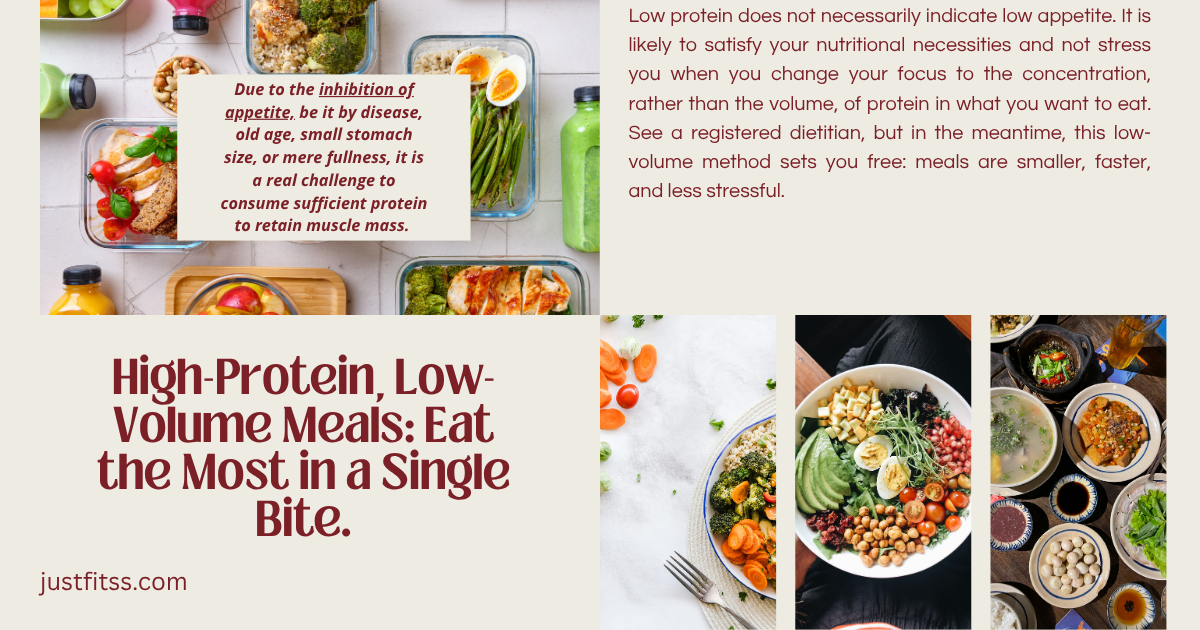
Due to the inhibition of appetite, be it by disease, old age, small stomach size, or mere fullness, it is a real challenge to consume sufficient protein to retain muscle mass. You cannot count on great amounts and cannot make oversized chicken breasts or huge protein bowls go down your throat. You require, instead, another approach: “nutritional density” and must have more protein in each bite.
This manual discusses the importance of low-volume, high-protein eating, the type of foods that provide the highest amount of protein per square inch of stomach area, and how to construct entire meals that are effective even when you do not have the desire to eat.
Why Low-Volume Eating Is a Growing Priority
The problem was to obtain sufficient food, which was the issue during most of human history. Nowadays, eating sufficient and healthy food when you are hungry and have little time to make it is a problem for millions of people.
The introduction of GLP-1 drugs (Ozempic, Wegovy, and Mounjaro) has made this problem a popular topic of discussion. About one out of every five adults in the United States has taken these drugs, and a side effect is a severe loss of hunger and accelerated fullness. However, low-volume, high-protein meal shares are needed by many more than medication users:
• As they age, the elderly lose appetite, but their protein requirements are still high.
• Individuals who are regaining health through sickness or surgery have difficulty consuming normal quantities of food.
• People with digestive issues or naturally small stomach sizes are no exception.
• Anyone on a calorie-limited diet stands the danger of losing muscle as well as fat.
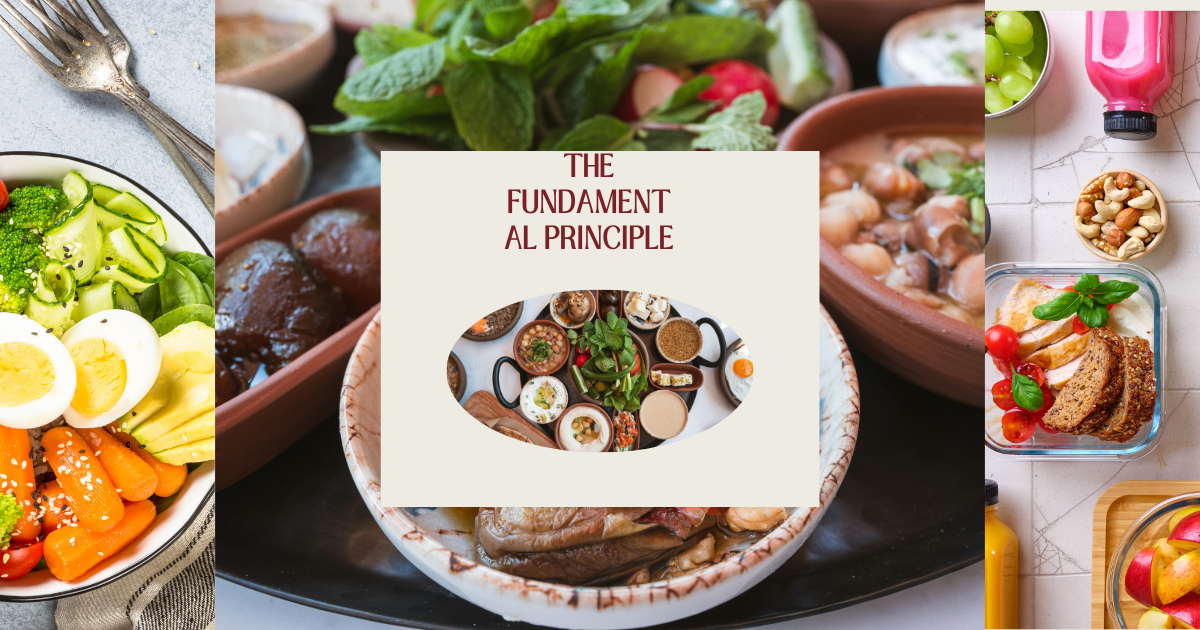
The fundamental principle: concentration of proteins.
The typical high-protein dietary guidelines frequently involve consuming huge amounts of food, including huge chicken breasts, huge protein bowls, or several portions of beans and rice. However, when you get full after a few bites, then that tactic backfires. The answer is the concentration of proteins: grams of protein per gram of food. What you desire are foods that provide the best maximum protein with the minimum physical bulk.
Consider it in this manner. You would need to eat 25 grams of protein, which would include:
• 4 ounces chicken breast (small fist size) – OR –
• 3 cups of cooked quinoa (almost a whole bowl of dinner)
They both provide similar protein. One of them fits in your palm. The other occupies a big bowl. Should you have a problem with appetite, the decision is clear, long-term. Low-volume foods contain low amounts of protein. The low-volume foods are the best high-protein foods.
These are foods that should be the basis of your low-volume food plan. Both of them contain high-quality protein in a bite.
Greek or Icelandic Yogurt:
Nearly twice as much protein as regular yogurt is in thick, strained yogurts. One hundred and fifty grams of protein is provided in a rich and satisfying consistency in a small 150-gram portion. A spoonful or two makes a difference. It is also aided by the fact that it takes longer to eat thick yogurt—you end up feeling fuller without having had much volume to consume.
Cottage Cheese
Cottage cheese is an unrecognised low-volume powerhouse. One serving (about four tablespoons) of a half-cup of cottage cheese provides 12-15 grams of protein. It is also efficient in sweet preparations (e.g., with berries or honey) or savoury (e.g., with black pepper and herbs). The curds help in adding texture but no bulk.
Eggs
A single large egg provides approximately 6 grams of very bioavailable protein in a very tiny package. The number of eggs in a coffee mug is two. There are three eggs in a small bowl. Eggs are fast to cook, do not need any prior preparation, and are one of the most concentrated sources of protein that can be found. They are particularly easy to eat when one is not hungry because of soft scrambling.
Lean Fish (Tuna, Salmon, and Sardines).
The last low-volume convenience food is canned fish, perhaps. One 5-ounce can of tuna has 30-40 grams of protein. It does not need to be cooked. It is as small as the palm of your hand. One can eat it in the can using a fork. The same benefits are provided in salmon and sardines, which have additional healthy fats.
Chicken Breast
A lean chicken breast has around 31 per cent protein content. One serving of 4 ounces (approximately a deck of cards) provides 25-30 grams of protein. Cook several breasts at the beginning of the week, cut them into thin slices, and put them in something in small portions. The trick is to cut across the grain to keep the meat soft and chewable.
Tofu
The soft or silken tofu is exceptionally easy to bear in case there is a low appetite. One hundred and twenty grams (approximately a third of a standard block) contains approximately 20 grams of protein. The bland taste takes on whatever seasoning you put in. The mushy texture involves little chewing.
Protein Powder
This is the final low-volume instrument. One scoop (whey, casein, or plant-based) of protein powder contains 20-25 grams of protein with no significant physical volume to your meal. Blend with yogurt. Put it into blends. Add it to oatmeal or overnight oats. According to one nutritionist, protein powder is particularly useful when you are not hungry and want to consume protein but do not want to eat more.
Complete Low-Volume Meal Ideas (20-35 grams)
Breakfast
• High-protein yogurt bowl: (Greek yogurt, berries, protein powder)
• Easy Scrambled Eggs with Cottage Cheese: (2 eggs + 2 tablespoons cottage cheese)
Lunch
• Salmon on a Bed of Greens (3-4 ounces of salmon + a small handful of arugulas)
• Cottage Cheese Savory Bowl: (1/2 cup of cheese, chopped vegetables, fresh herbs)
Dinner
• Herbed Chicken with Roasted Zucchini: (4 ounces sliced chicken breast + ½ cup roasted zucchini)
• Baked White Fish with Mashed Sweet Potato: (4 ounces cod or halibut + ¼ cup mashed sweet potato)
Conclusion
Low protein does not necessarily indicate low appetite. It is likely to satisfy your nutritional necessities and not stress you when you change your focus to the concentration, rather than the volume, of protein in what you want to eat. See a registered dietitian, but in the meantime, this low-volume method sets you free: meals are smaller, faster, and less stressful. The bloating and heaviness dissipate. Energy stabilises, and muscle mass, which is imperative to strength, metabolism, and healthy ageing, is preserved. This is particularly relevant in 2026, when more individuals are navigating regardless of GLP-1 medications, age, recovery, or reduced appetites. The old saying of just eating more does not apply anymore. We should be smarter. Low protein and high-volume eating are not a diet or a limitation; it is a modification. Every bite counts. Make your own count.
FAQS
1. Will low-volume meals help me to build muscle?
Yes, as long as you reach your daily protein goal and give it a stimulus (resistance exercise or weight-bearing). The synthesis of muscle proteins is sensitive to daily protein consumption and not the size of meals.
2. Are there any high-protein foods that I should not do low-volume eating on?
Avoid high-protein (per calorie) foods that are also high in physical bulk. Legumes (lentils, chickpeas, and black beans) are nutritious but are needed in large quantities to provide meaningful amounts of protein. The same thing goes with quinoa and other whole grains—you would have to consume many cups of this grain to equal the same amount of protein as 4 ounces of chicken. Brown rice, oatmeal (except fortified with protein powder), and most of the meat substitutes made of plant-based meat sources are also too thick to fit into low-volume requirements.
1 Comment
Atiya
Very informative blog with a complete guide. I thoroughly read the blog but i find out it a very informative.