People should learn about diet and nutrition predictions for a better future. Nutrition is becoming increasingly important in a changing world. With smart implementations that monitor your calories and plant-friendly meals, healthy eating has become customised, scientific, and sustainable. Food now and in the future is not just about being good to eat anymore. It is about technology, the planet, and your DNA. As we explore these changes, let’s look at the rise of personalised nutrition. Let’s learn about the trends and future predictions of nutrition and diet.
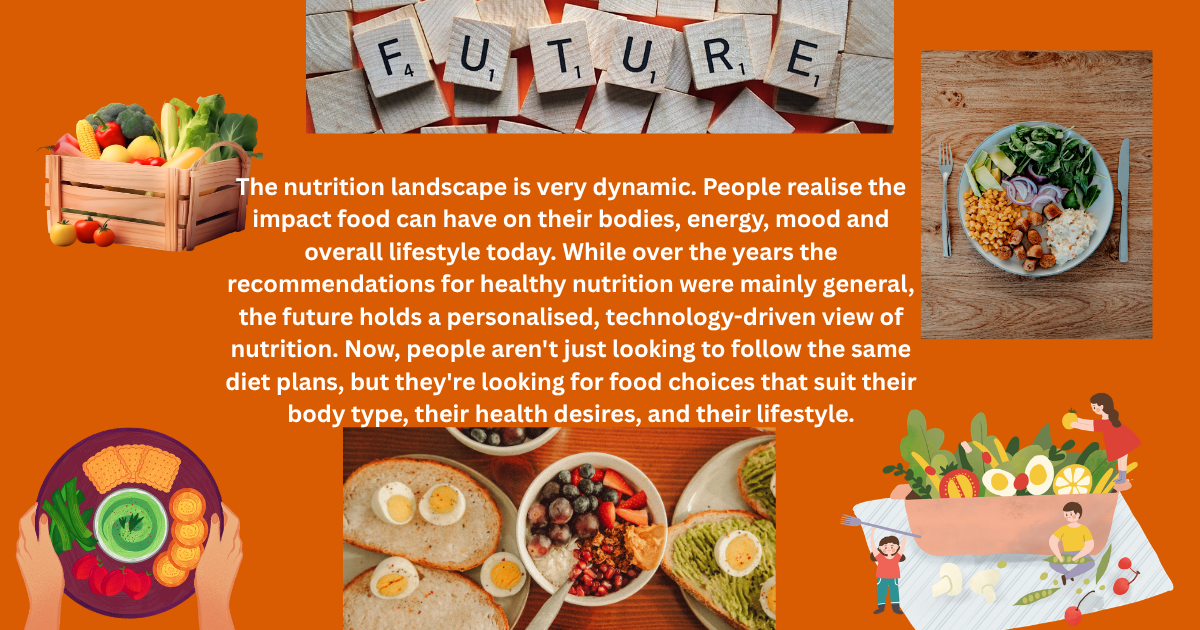
The nutrition landscape is very dynamic. People realise the impact food can have on their bodies, energy, mood and overall lifestyle today. While over the years the recommendations for healthy nutrition were mainly general, the future holds a personalised, technology-driven view of nutrition. Now, people aren’t just looking to follow the same diet plans, but they’re looking for food choices that suit their body type, their health desires, and their lifestyle.
Personalised nutrition for the future
The trend of personalised nutrition is one of the biggest trends in the near future (and longer). Each person’s body will respond differently to food. Carbohydrates can be used as a source of energy for some people, but can also cause a blood sugar increase and make some people feel tired. Due to these disparities, personalised nutrition is gaining increasing popularity. Personalised nutrition relates to developing the nutrition plan according to the age of an individual, lifestyle, activity level, sleep pattern, health conditions and even the genetic profile of the individual. People could also receive meal suggestions in the future through health apps and wearable technology – suggestions tailored to their needs. These can be great methods for improving the functioning of the digestive system, managing weight, boosting energy and aiding wellness better than general weight-reduction diets.
How plant-based eating can become a trend.
Vegans are not the only ones who can benefit from plant-based diets. They have become a worldwide trend in favour of sustainable and improved health. Plant-based alternatives are transforming the food industry by replacing traditional meat and other proteins with lab-grown meat and products made from peas and soy. Food companies are also developing new food products based on plants, which have similar flavours to meat and milk. Meanwhile, there is growing interest in natural, minimally processed and processed plant foods.
Functional foods for sustainable health
‘Food is thy medicine’ has become more pertinent now than ever. Groceries are being replaced by functional foods that promote immunity, digestion, and mental health. Probiotic yoghurts, chia, and turmeric shots not only make sense as a snack but are also wellness items too. These are foods that not only provide fuel for the body but also energy for certain systems, prevent illness, and increase vitality.
Information technology and smart nutrition
The era of the so-called tech-driven eating has come. Ranging from tracking your daily nutrients, AI apps telling you what to eat, and even fridges telling you what you should see through, smartwatches take care of all this. Food-scanning applications can analyse the nutrients of a meal from a photo. Until not long ago, AI assistants designed meal plans in real time through your biometric data. This combination of nutritional and technological beings is making healthy eating a smooth experience.
Food consumption habits are making a paradigm shift with the influence of technology. People are getting to know more about their eating with mobile applications, smartwatches, fitness trackers and digital health devices. Artificial intelligence (AI) is likely to be a more intelligent addition to future nutrition systems.
Gut Health and Microbiome Uprising
Gut health is the foundation of your health. A well-balanced microbiome is known to improve digestion, mood, and immune function. High in probiotics, which help the growth of your gut flora, fermented foods include kefir, sauerkraut, and kimchi. Soon, you will have your own personalised probiotic (based on your unique microbiome) and your own health care routine for maintaining your health and well-being.
The health of one’s gut is becoming increasingly important. Gut health is taking on greater significance. Everyone’s gut advice is returning to the spotlight of nutrition. Researchers have identified a growing list of ways that the digestive system impacts other systems of the body, such as immunity, metabolism, mood, and mental health. There will be an increased consumption of probiotic and prebiotic foods like yoghurts, kefir, kimchi, fruits and vegetables and foods that are high in fibre. Gut health testing for individuals may also become commonplace to help them understand which foods are better tolerated.
Mindful and intuitive eating
Life is chaotic in the modern world, and several individuals repeatedly eat food. Mindful eating can help us eat more slowly, enjoy flavours, and regulate the logic of hunger in our bodies. Intuitive eating encourages liberation from restrictive diets by internalising guidelines. Functional foods are among the other emerging trends. These are foods which offer additional benefits without just being foods; they are food supplements serving the capacity of nutrition. Food companies are also developing new food products based on plants, which have similar flavours to meat and milk. Meanwhile, there is growing interest in natural, minimally processed and processed plant foods.
Protein Evolution and New Sources
The world is turning into a protein market. The world is finding alternatives, including protein-containing insect protein powder and algae-based shakes. These are high-protein and non-impact and the most suitable for a growing population as a sustainable source of nutritious foods.
The Role of Sustainability in Food Adoptions
Consumer behaviour has been adapted to sustainability. Consumers want to know about the origin of food, packaging, and environmental footprint. The turnaround is being led by regenerative farming, a method that enhances biodiversity and soil health.
More ethical, low-cost brands are quickly becoming trusted brands and are defining what a sustainable food culture for the future looks like.”
Artificial intelligence is reshaping the food sector.
The apps have the intelligence to analyse your eating patterns and suggest better options, as well as identify nutrient deficiencies that could affect your health. Smartwatches track hydration, metabolism, and calories burnt. It is an informatics approach to make better-informed decisions about their nutrition in daily life.
Nutritional Mental Health
It’s also a component of emotional and mental well-being. Vitamin supplements are widely promoted for brain health, particularly omega-3s, magnesium, and antioxidants. The gut-brain axis suggests that what we eat can affect our mood, how stressed we feel, and our ability to focus.
The Culmination: A Smarter, Sustainable Food Future
Thus, it is clear that the future of nutrition is personal, holistic (across scales), and regenerative/sustainable. We are in a time when the forces of technology, science, and nature will combine to redefine what it means to eat healthfully. We can all opt to help build a healthier, more planet-friendly future.
FAQS
1. What is the biggest nutrition trend for 2025?
Personalised nutrition with AI-based technology and DNA analysis in the wellness sector.
2. Can you follow a plant-based diet long-term?
They do general health and longevity, and they’re a whole lot less demanding on the environment.
3. What’s next for healthy eating?
It’s all data-driven, sustainable, and ultra-personalised — combining science, ethics, and mindful living.”